
Prabowo to Oversee New Oil and Gas Body Directly, Bahlil Says
Indonesia's new oil and gas authority, BUK Migas, will report directly to President Prabowo, a governance signal foreign investors should read closely.
Quick answer: Indonesia's Energy Minister Bahlil Lahadalia confirmed on 17 September 2026 that the new Special Oil and Gas Business Entity (BUK Migas) will report directly to President Prabowo Subianto, not through a ministry. The goal is fewer cross-sector licensing delays on oil and gas production. For Lombok-focused investors, it is a governance signal, not a direct market driver, but it matters for how Jakarta handles foreign investment friction generally.
Jakarta moved fast on Thursday. Speaking at the Presidential Palace complex, Bahlil Lahadalia said the still-forming BUK Migas will sit directly under the President's authority once the formal bill deliberation begins, a structural choice he described as "already clear and not up for debate."
The Context
BUK Migas is being built as part of Indonesia's pending Oil and Gas Bill, which the government will bring to the House of Representatives (DPR) once the presidential letter (Surpres) authorising deliberation is issued. According to Bahlil, the immediate task is finalising the regulatory framework, with particular attention to licensing.
"We do not want cross-sector licensing to become an obstacle to increasing our lifting," Bahlil said.
The word "lifting" refers to Indonesia's crude oil production volumes, a metric the government has been trying to arrest a long decline in. By placing BUK Migas under direct presidential accountability rather than folding it into the existing ministerial hierarchy, Jakarta is signalling it wants a fast lane past the multi-ministry sign-off processes that have historically slowed energy projects.
Bahlil was careful to frame this as an addition, not a demolition of existing authority. "This will not reduce the processes that should properly remain within the authority of each ministry," he said, addressing concerns that a new presidential-line body might simply create fresh turf disputes rather than resolve them.
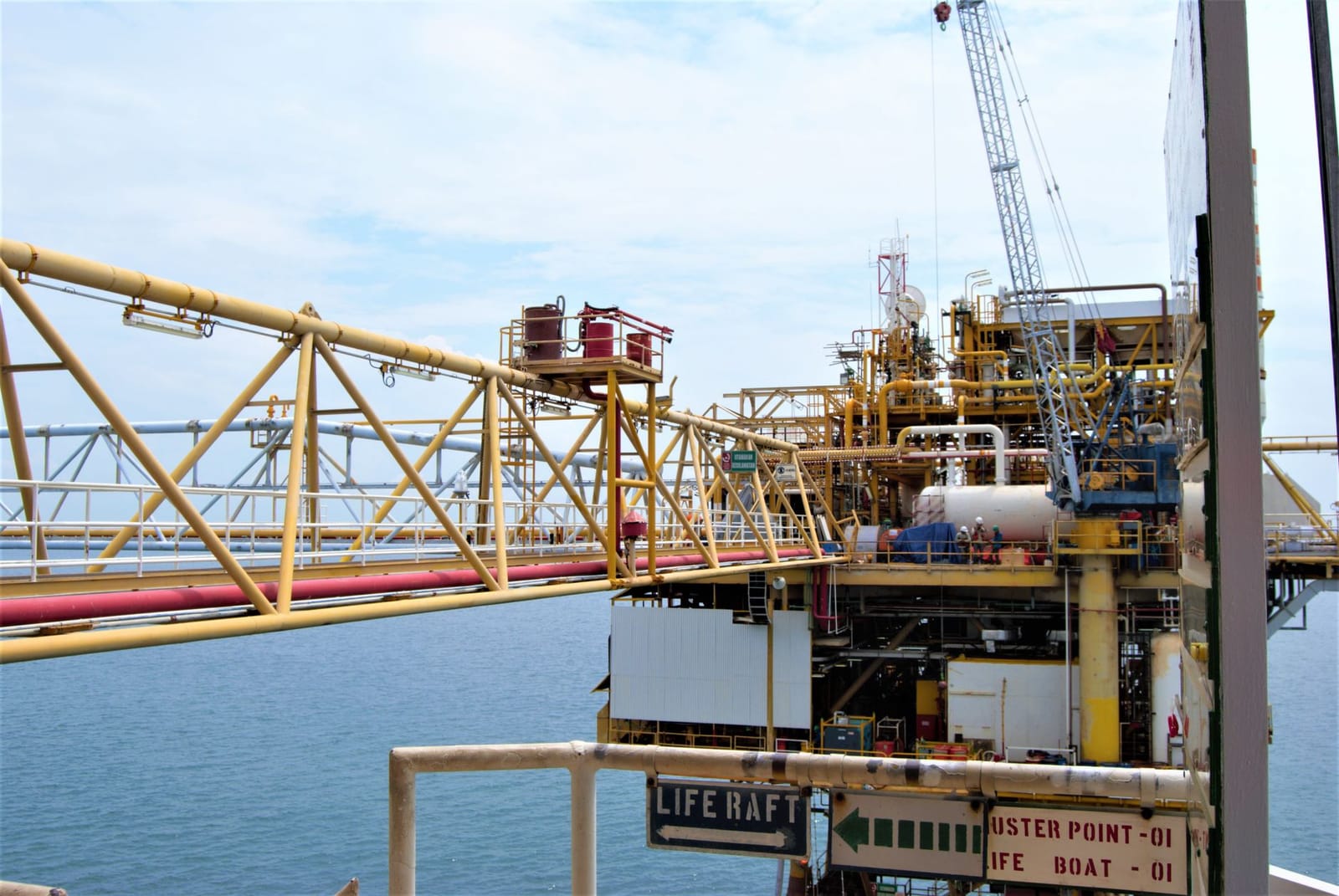 Prabowo to Oversee New Oil and Gas Body Directly, Bahlil Says · Photo by Bayu Prakosa on Pexels
What BUK Migas Would Actually Do
Beyond licensing speed, Bahlil described a second function: negotiating flexibility. BUK Migas is expected to have latitude to negotiate directly with both private companies and government counterparts on oil and gas management structures, including cost recovery mechanisms, the long-standing model in which contractors recoup exploration and production costs before profit-sharing kicks in.
"We will move forward with this. It is just the model that we will push for, along with flexibility in negotiations with both the private sector and the government, whether through cost recovery or other forms that can benefit both sides," Bahlil explained.
That framing, flexibility over rigid formula, suggests Jakarta wants BUK Migas to function less like a conventional regulator and more like a deal-making authority empowered to structure bespoke arrangements with operators, provided both sides come out ahead.
Why a Direct Presidential Reporting Line Matters
There's a pattern-recognition angle here that goes beyond oil and gas specifically. Placing a new economic body under direct presidential oversight, rather than routing it through a ministry, is a structural move Jakarta has used before when it wants to signal priority and cut bureaucratic layers. Whether or not BUK Migas succeeds on its own terms, the mechanism itself tells foreign investors something about how the current administration prefers to solve cross-ministry gridlock: centralise decision rights rather than mediate between departments.
| Feature | Old model (ministry-routed) | BUK Migas (Prabowo-direct) | |---|---|---| | Reporting line | Relevant ministry | President's office | | Stated aim | Standard licensing | Fewer cross-sector delays on lifting | | Negotiation posture | Formula-driven | Flexible, case-by-case |
What This Means for Investors
This is not a Lombok story in the narrow sense, Bahlil's remarks concern national oil and gas governance, not tourism, land or hospitality. But foreign investors evaluating Indonesia as a jurisdiction, including those weighing property structures such as PT PMA, deal with the same underlying friction this reform targets: multiple ministries, each with independent sign-off, on a single project. A PT PMA holding a Hak Guna Bangunan title, for instance, still requires clearances that can span more than one government body, much as an oil and gas lifting project does.
What matters for our readers is the direction of travel, not the sector. When Jakarta chooses to shorten a bureaucratic chain by putting a new body directly under the President, it is a data point about how the current government resolves regulatory bottlenecks when it decides they are costing it economically. That governance instinct is sector-agnostic. It does not change land prices in Are Guling or occupancy rates in Kuta, and nothing here should be read as a signal for South Lombok's property market specifically. But investors who track Indonesia's institutional behaviour, rather than just its headline growth numbers, will want to note how this plays out, both in the DPR's bill deliberations and in whether BUK Migas actually delivers the faster licensing Bahlil is promising.
We will follow the bill's progress through the DPR and flag anything that has a direct bearing on land, tourism or hospitality regulation as it emerges.
Stay informed, subscribe to the free Lombok Briefing for market intelligence like this, published twice a month.
What is BUK Migas and why does it report to Prabowo?
BUK Migas is Indonesia's planned Special Oil and Gas Business Entity. Energy Minister Bahlil Lahadalia said on 17 September 2026 it will report directly to President Prabowo Subianto, aiming to cut cross-ministry licensing delays that slow oil and gas production.
Does this oil and gas reform affect Lombok property investment?
Not directly. BUK Migas concerns national energy licensing, not tourism or land regulation. It is relevant mainly as a signal of how Jakarta resolves bureaucratic bottlenecks, a dynamic that also touches PT PMA and cross-ministry processes used by property investors.
Will BUK Migas replace existing ministry authority over oil and gas?
No. Bahlil explicitly said the reform "will not reduce the processes that should properly remain within the authority of each ministry." BUK Migas is designed to add a direct presidential fast lane, not eliminate ministerial licensing roles.

The Lombok Buyer's Field Guide
Legal structures ranked by risk, the honest ROI math line by line, all six zones ranked, and the 24-point due-diligence checklist. The whole book, free in your inbox.
See what's inside