Prabowo Puts Food and Energy Self-Reliance at Centre of Indonesia’s Case
President Prabowo’s renewed focus on food and energy self-reliance puts policy resilience at the centre of Indonesia’s investment narrative.
Quick answer: President Prabowo has reaffirmed food and energy self-reliance as central to Indonesia’s national strength. For investors, the immediate significance is political and strategic rather than a new investable metric: the remarks reinforce the government’s emphasis on domestic production, resilience to disruption and reduced external dependence.
Indonesia’s investment case is often discussed through growth, consumption and infrastructure. The President’s latest intervention shifts the lens towards resilience. Speaking at the 100th anniversary of Darussalam Gontor Modern Islamic Boarding School in Ponorogo, East Java, Prabowo framed food and energy self-reliance as prerequisites for a country able to stand on its own strength in a world marked by conflict and war.
The Context
The comments, reported by Antara Business, were not presented as a new policy package. They were a statement of governing priorities: food self-sufficiency, energy self-sufficiency and a deliberate reduction in dependence on other nations.
That distinction matters. Investors should not read a presidential speech as confirmation of a new regulation, an allocation of capital or a forecast for individual sectors. The source provides none of those details. It does, however, offer a clear indication of how the government is framing economic security at a time when external shocks remain prominent in public debate.
“We must achieve food self-sufficiency, we must achieve energy self-sufficiency. We must not depend on other nations,” Prabowo said, according to Antara.
The language connects food and fuel to sovereignty. It also places weather risk within that same framework. The President said Indonesia had sufficient food reserves and that the government had prepared measures for possible production disruption arising from bad weather, including El Nino and drought.
For investors assessing Indonesia, this is a reminder that resilience is becoming a core policy narrative rather than a peripheral concern. Food availability, domestic energy supply and preparedness for disruptions are being treated as linked questions. The practical implications will depend on subsequent decisions, implementation and published data, not on rhetoric alone.
The source also records the President’s assertion that Indonesia has achieved food self-sufficiency. That is a significant claim, but it should be handled precisely. Antara’s report attributes it to the President; it does not set out commodity-level evidence, a methodology or a time period against which investors can independently test the statement.
Diesel, Palm Oil and the Domestic-Supply Argument
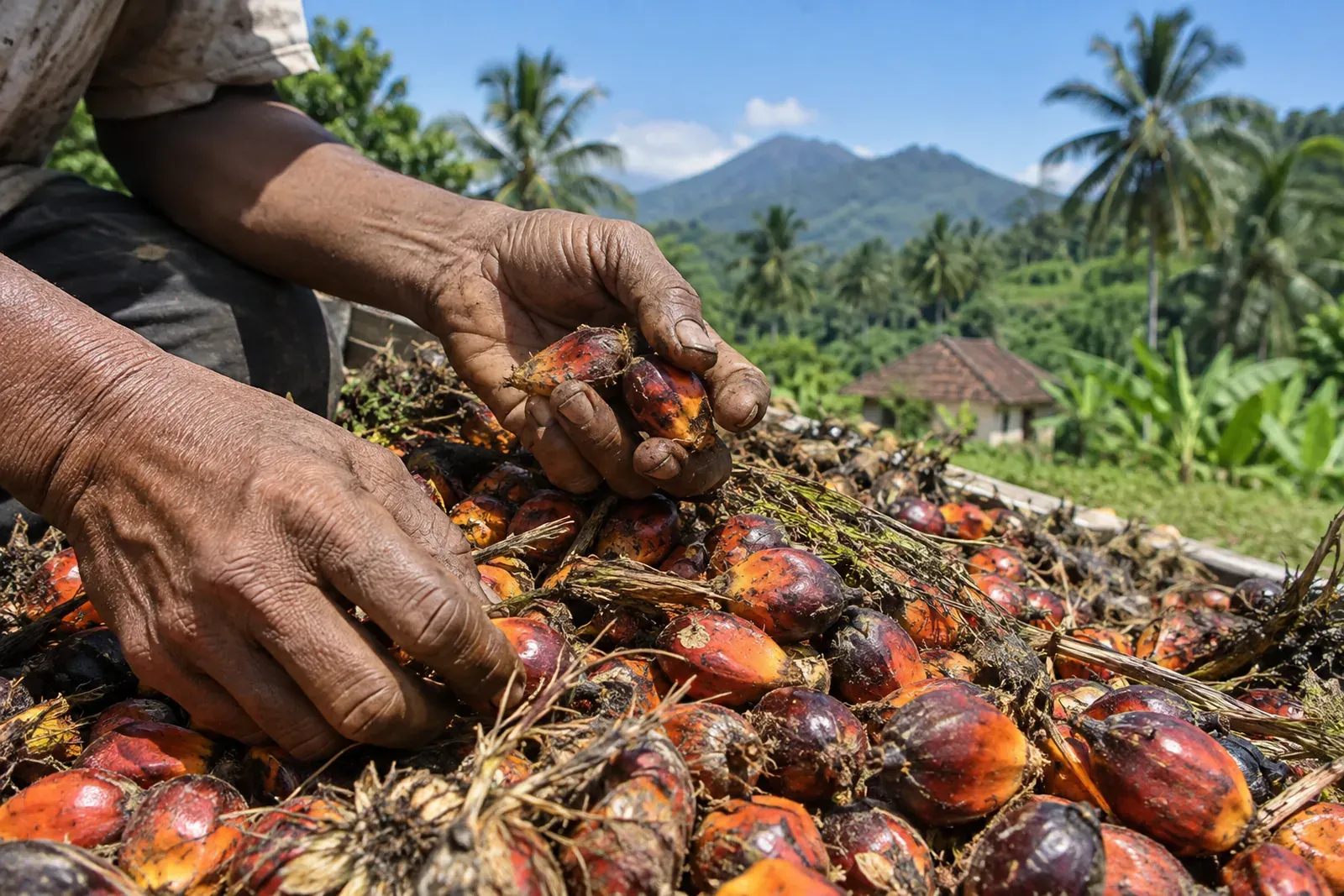
The clearest operational assertion in the remarks concerns diesel. Prabowo said Indonesia has not imported diesel fuel since July 1 and can meet its diesel requirements through domestic production. He identified palm oil as an important resource in Indonesia’s effort to build energy self-reliance.
The statement is notable because it makes domestic processing and domestic supply part of a broader national story. Palm oil, in the President’s description, is both a commodity with derivative products and an energy source that supports fuel needs.
For markets, the important discipline is to separate three layers of information:
- The President’s stated policy direction: self-reliance in food and energy.
- The reported operational assertion: no diesel imports since July 1.
- The unanswered investment questions: durability, economics, policy instruments, environmental conditions and the treatment of private capital.
Those questions cannot be answered from the source alone. No production volumes, import values, fiscal measures, prices, corporate beneficiaries or project approvals were provided. Nor did the report describe any change to rules affecting foreign ownership, investment permissions or sector participation.
This absence is itself useful. A premium investment reading of a political statement should resist the temptation to manufacture a trade. The remarks establish an official emphasis; they do not establish a financial outcome.
Still, the direction of travel is clear. Where a government places strategic value on domestic supply, investors may reasonably monitor future announcements around production capacity, supply chains, agricultural resilience and energy inputs. That is not a prediction of policy support for any particular asset. It is a framework for deciding what evidence to watch next.
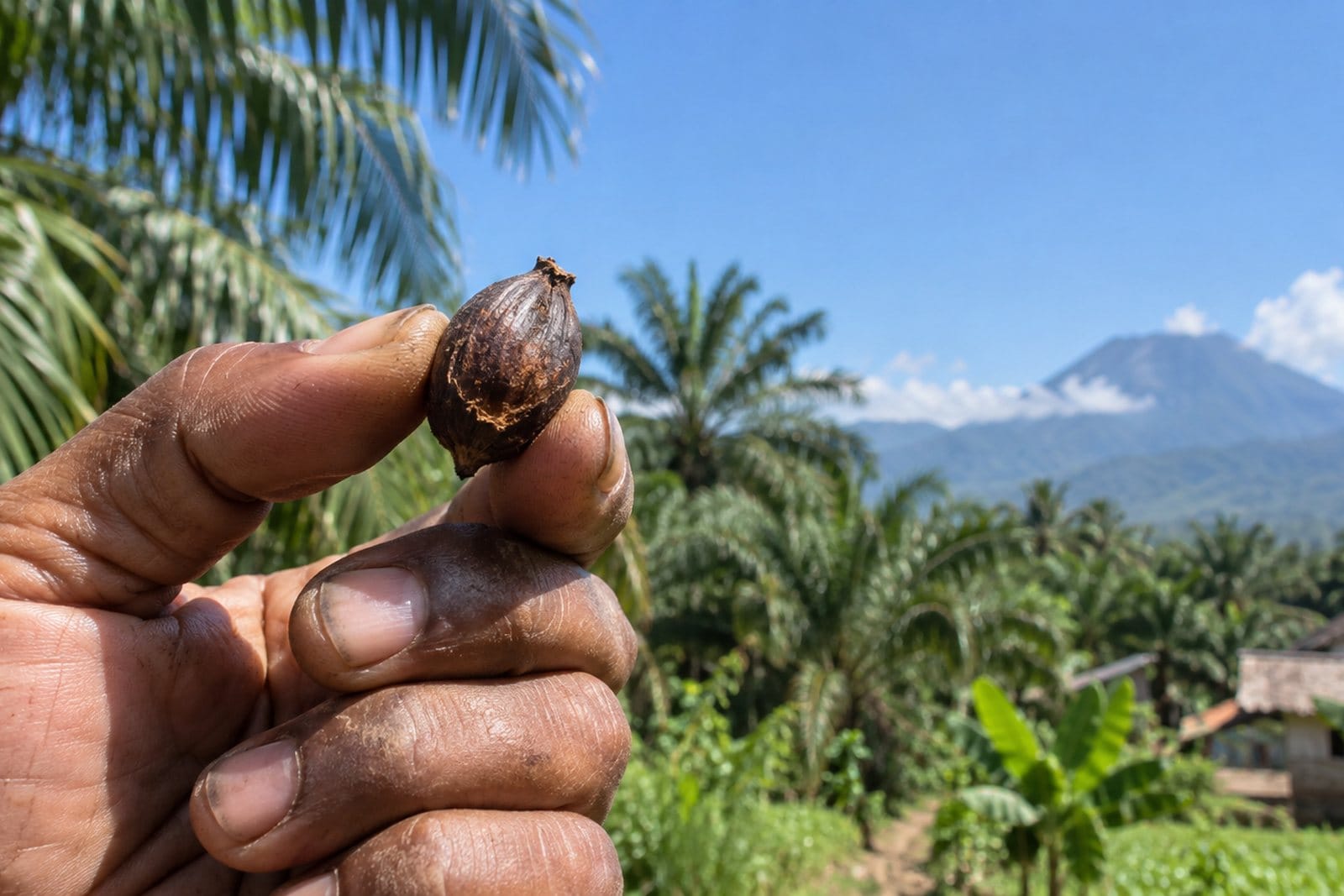 Prabowo Puts Food and Energy Self-Reliance at Centre of Indonesia’s Case · Illustration: HubLombok (AI-generated)
What the Speech Does, and Does Not, Signal
Prabowo’s remarks also contained a message of optimism to students at Gontor, whom he described as future leaders who would continue Indonesia’s national struggle. This wider framing gives the speech a political character beyond food and fuel: self-reliance is presented as part of a national development ambition.
For international investors, that can be read as a cue to pay attention to the relationship between economic policy and national priorities. Indonesia’s attraction may rest not only on demand or resource endowment, but also on how consistently policymakers seek to protect domestic capacity during periods of uncertainty.
Yet the limits are equally important. The speech does not answer whether food reserves will remain sufficient under changing weather conditions. It does not explain the composition of diesel supply. It does not specify the role of palm oil within the fuel system. And it does not disclose whether any new incentives, restrictions or commercial obligations will follow.
A disciplined response is therefore neither dismissal nor overstatement. Investors should recognise the signal while waiting for evidence capable of changing valuations, project underwriting or sector assumptions.
The distinction is particularly relevant for overseas capital. A strategic self-reliance agenda can create attention around local production and processing, but the commercial consequences depend on the rules through which that agenda is implemented. Those rules have not been set out in Antara’s report.
A useful investor checklist following this dispatch is straightforward:
- Track formal government measures rather than relying on speech excerpts.
- Distinguish presidential claims from independently detailed operational data.
- Test any sector opportunity against the actual regulatory and commercial framework.
- Treat weather preparedness as a material theme where food supply is concerned.
- Avoid assuming that an emphasis on domestic supply automatically determines returns for a particular company, project or asset.
What This Means for Investors
The immediate investment implication is one of attention, not action. Prabowo has positioned food and energy self-reliance as pillars of Indonesia’s strength, linking them to a desire for lower external dependence in an unsettled global environment.
That framing may matter for investors whose decisions are sensitive to policy direction, commodity supply chains or domestic energy security. It also offers a useful guide to the issues likely to remain prominent in official messaging: food reserves, resilience against El Nino and drought, diesel supply, and the use of domestic resources such as palm oil.
But the case for an investment decision requires more than a strategic statement. Investors will need subsequent primary materials, rules, budgets, implementation plans, market data and company disclosures, to establish how the stated objectives translate into economic outcomes.
For now, the message from Jakarta is political clarity rather than financial precision. Indonesia’s leadership is placing self-reliance at the heart of its economic narrative. The next test is whether future measures provide the detail investors need to assess opportunity, execution and risk.
Stay informed: subscribe to the free Lombok Briefing, published twice a month (the 1st and 15th), for market intelligence like this.
What did President Prabowo say about food and energy self-reliance?
President Prabowo said food and energy self-reliance are essential to Indonesia standing on its own strength and avoiding dependence on other countries. He said Indonesia had sufficient food reserves and that measures had been prepared for weather-related production disruption.
What did Prabowo claim about Indonesia’s diesel supply?
According to Antara Business, President Prabowo said Indonesia has not imported diesel fuel since July 1 and can meet its diesel needs through domestic production. The report did not provide production volumes, import data or details of the supply system.
Does this speech create an immediate investment opportunity?
Not on its own. The speech signals a policy emphasis on domestic food and energy resilience, but it does not announce investment rules, incentives, budgets, project approvals or company beneficiaries. Investors should monitor formal measures and independently detailed market evidence.

The Lombok Buyer's Field Guide
Legal structures ranked by risk, the honest ROI math line by line, all six zones ranked, and the 24-point due-diligence checklist. The whole book, free in your inbox.
See what's inside