Rupiah Strength, Infrastructure Momentum: A Lombok Moment
We publish The Lombok Briefing as the editorial arm of Samudra Villas, so our interest is clear: we watch South Lombok property closely. Issue #1 starts with a simple thesis. Indonesia’s push for rupiah stability, tighter monetary conditions, and maturing infrastructure standards is changing how foreign buyers should read the market.
The currency story matters because uncertainty is part of every foreign purchase. A stabilising rupiah and Bank Indonesia’s rate hike do not remove risk, but they can make pricing, timing, and entry-point decisions easier to model. For Lombok, that means valuations should be judged less as a speculative frontier bet and more against clearer yield and currency assumptions.
The infrastructure signal is just as important. PT Pertamina’s stricter aviation fuel controls are not a property story on the surface, but they point to the kind of operational discipline tourism markets depend on. Lombok’s reported 40-50% annual tourism growth needs reliable transport, fuel, and regulatory systems behind it if developer-quoted 12-22% gross yields are to remain credible.
Bali appears in this issue not as a competitor to dismiss, but as the benchmark Lombok is now measured against. Canggu’s cancelled traffic overhaul shows how fast demand can outrun infrastructure. ARMA’s 30-year cultural tourism record shows the opposite lesson: durable visitor markets need more than beaches, villas, and short-term momentum.
The macro tourism picture sharpens that comparison. Bali accounted for 55% of Indonesia’s tourism foreign-exchange earnings in 2025, which confirms its strength but also exposes concentration. If Indonesia wants broader tourism growth, spillover markets need credible access, investable land, and differentiated demand drivers. South Lombok is not guaranteed that role, but it is increasingly part of the discussion.
Taken together, these six stories are not a promise of easy returns. They are a set of signals: currency policy, interest rates, aviation standards, Bali’s constraints, cultural infrastructure, and national tourism concentration. The question is whether they support a more mature Lombok investment thesis. The articles below are our first pass at testing that case.
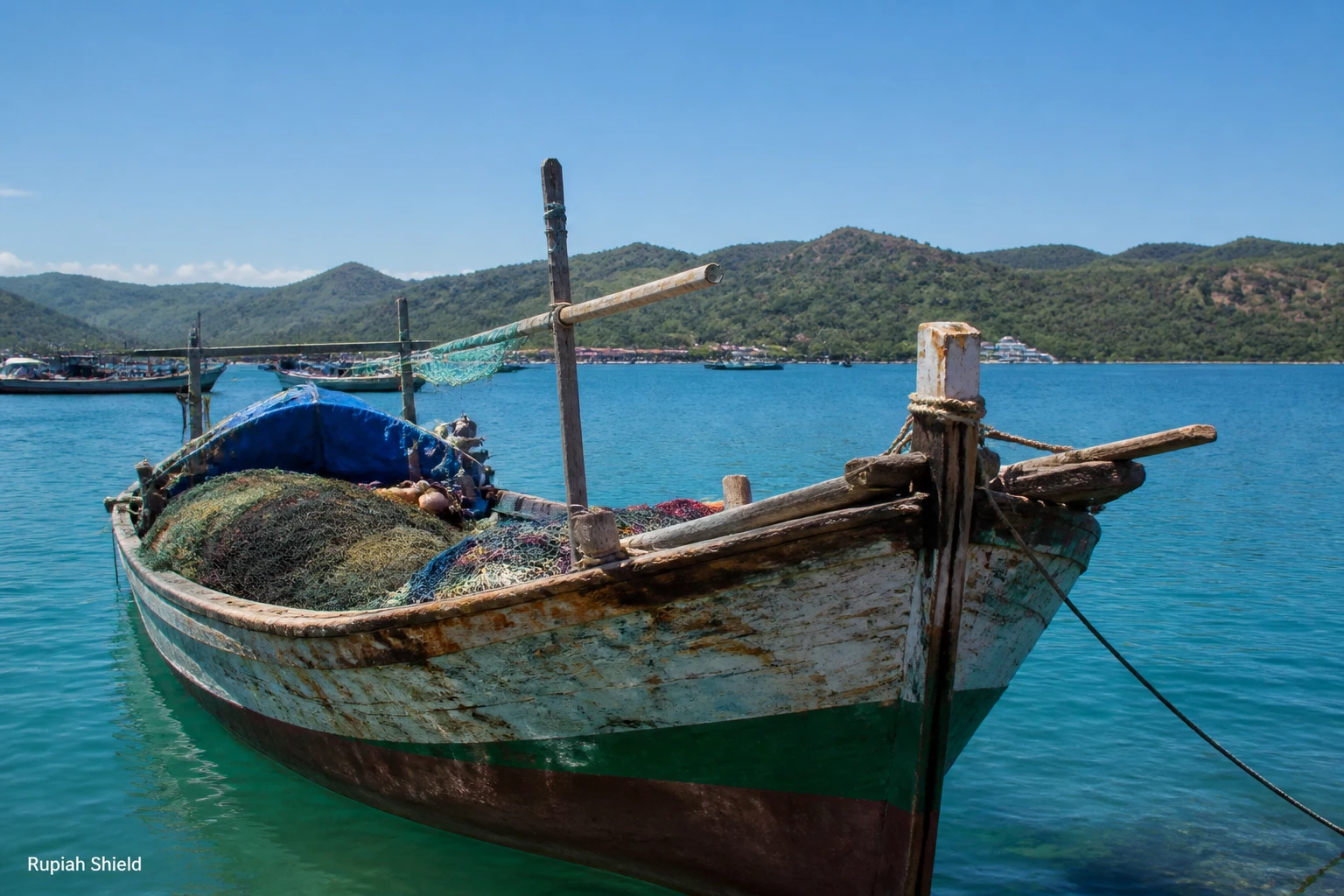
Indonesia Deploys Rupiah Stabilisation: What It Means for Your Lombok Investment
Indonesia deploys rupiah stabilisation policy in H2 2026. How currency stability reshapes the investment thesis for foreign property buyers in South Lombok.
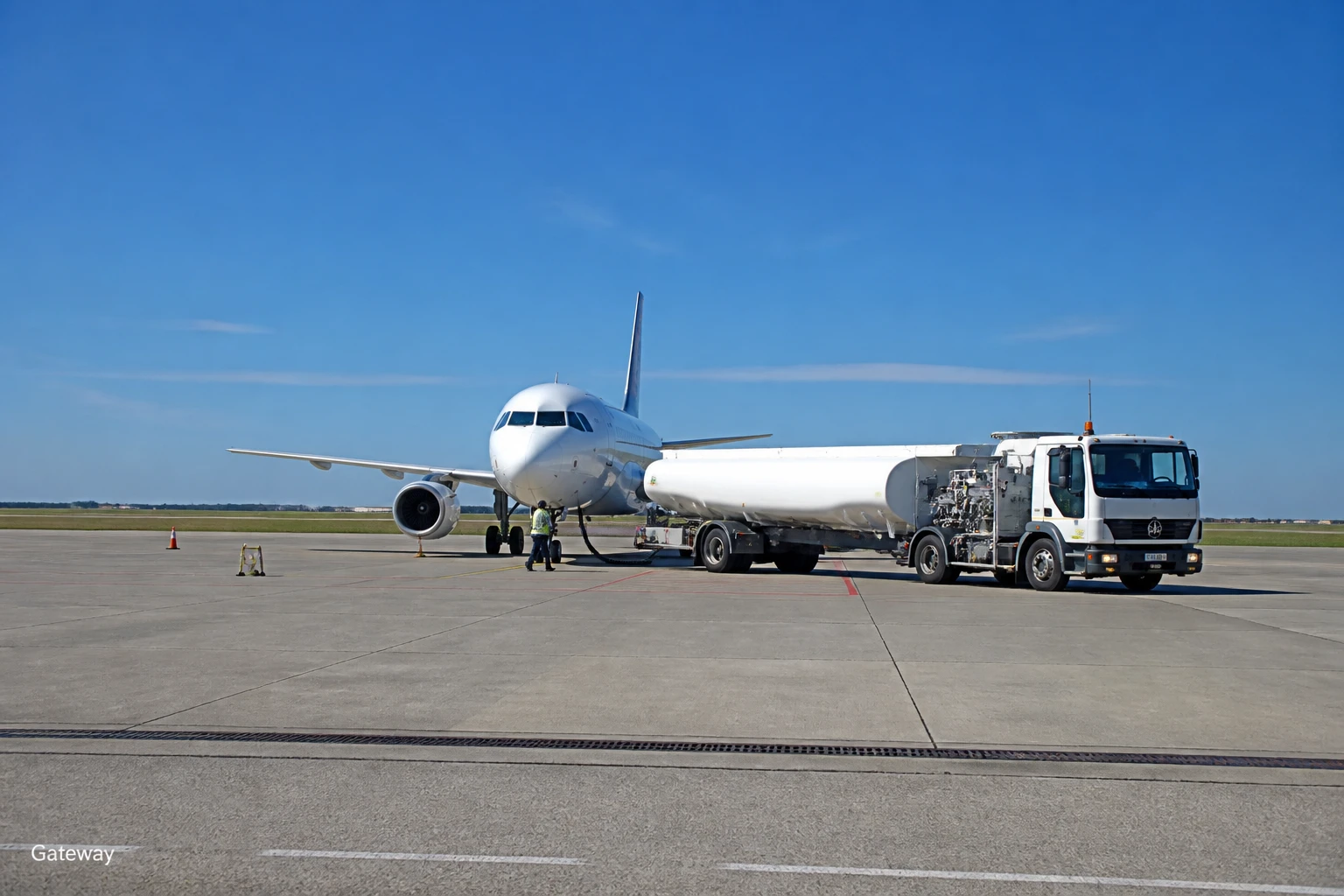
Indonesia's Aviation Standards Upgrade Bolsters Lombok's Tourism Corridor
PT Pertamina's stricter aviation fuel controls signal regulatory maturity and infrastructure reliability, directly supporting Lombok's 40–50% annual tourism growth and 12–22% property yields.
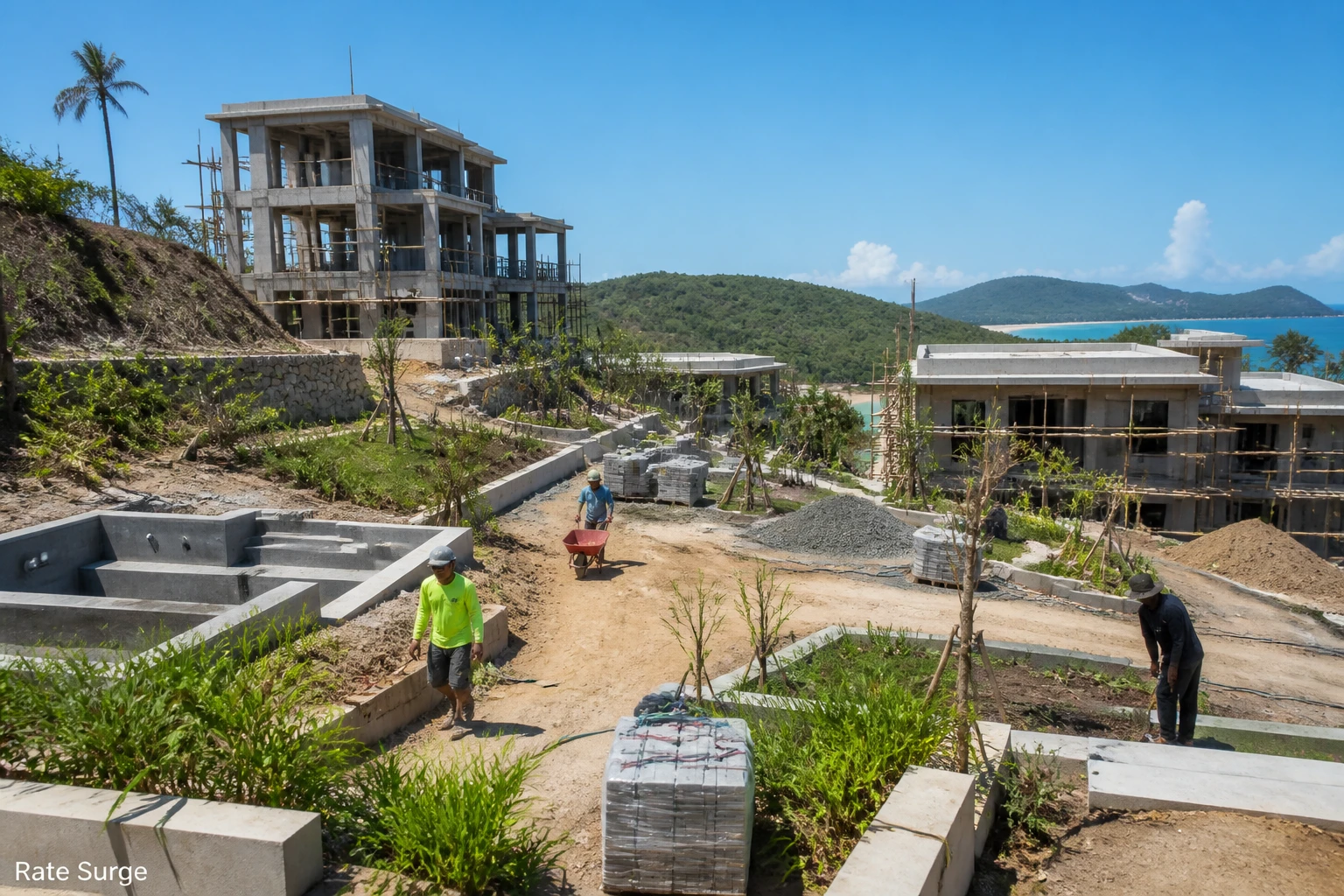
Bank Indonesia Tightens as Rupiah Stabilises: Windfall for Lombok Property Investors
Bank Indonesia's rate hike strengthens rupiah and reshapes Lombok property valuations for foreign investors. Explore 12-22% yields and entry-point implications.
Canggu Traffic Overhaul Scrapped: Bali's Infrastructure Crisis Deepens
Canggu's traffic overhaul cancelled. Bali's infrastructure can no longer keep pace with tourism growth. South Lombok's emerging zone offers superior yields and tourism catalysts ahead.
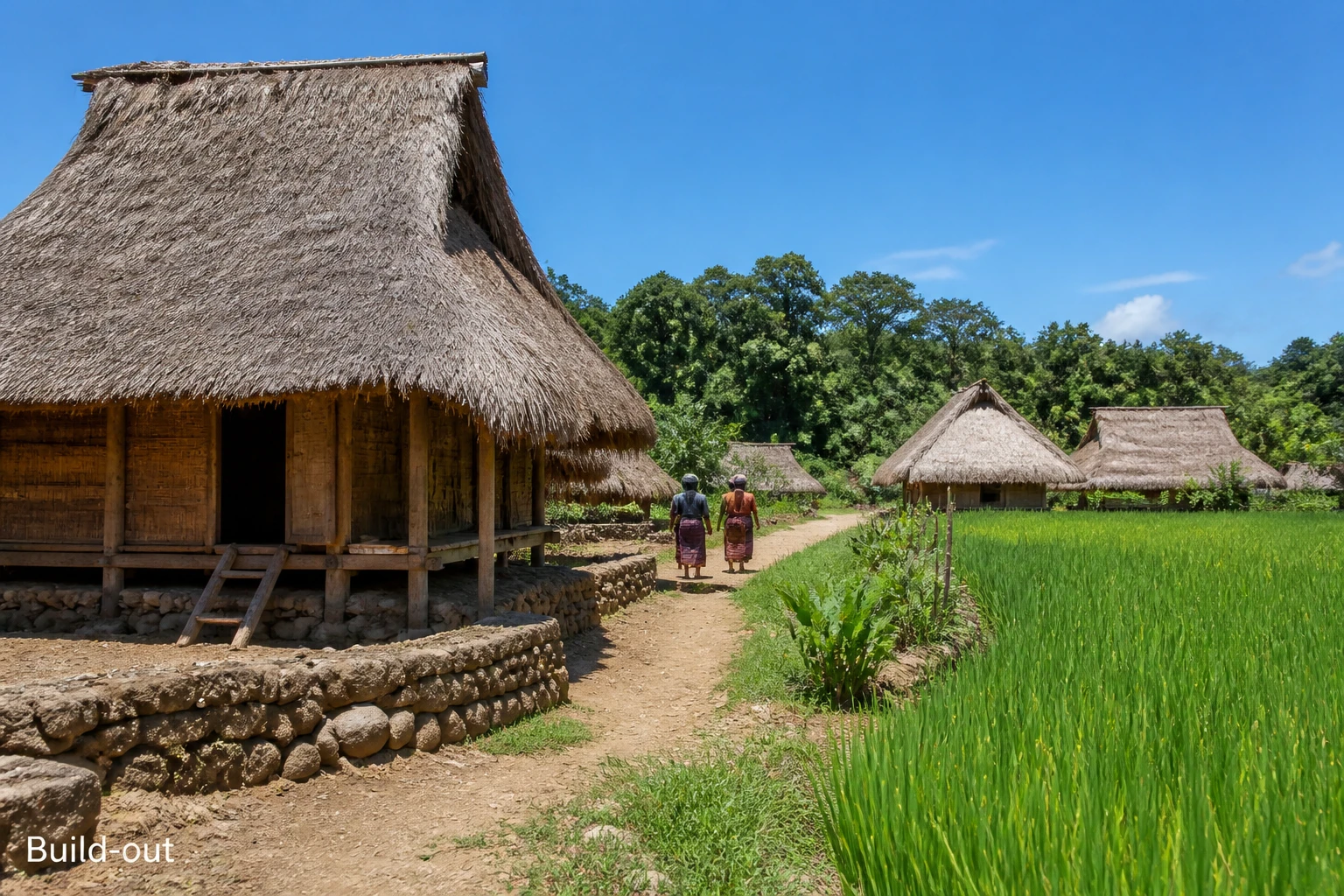
How Bali's ARMA Museum Reveals Lombok's Untapped Cultural Tourism Upside
Bali's Agung Rai Museum celebrates 30 years of cultural tourism success. For Lombok investors, the lesson is critical: diversified tourism infrastructure drives yield resilience, and Lombok's cultural
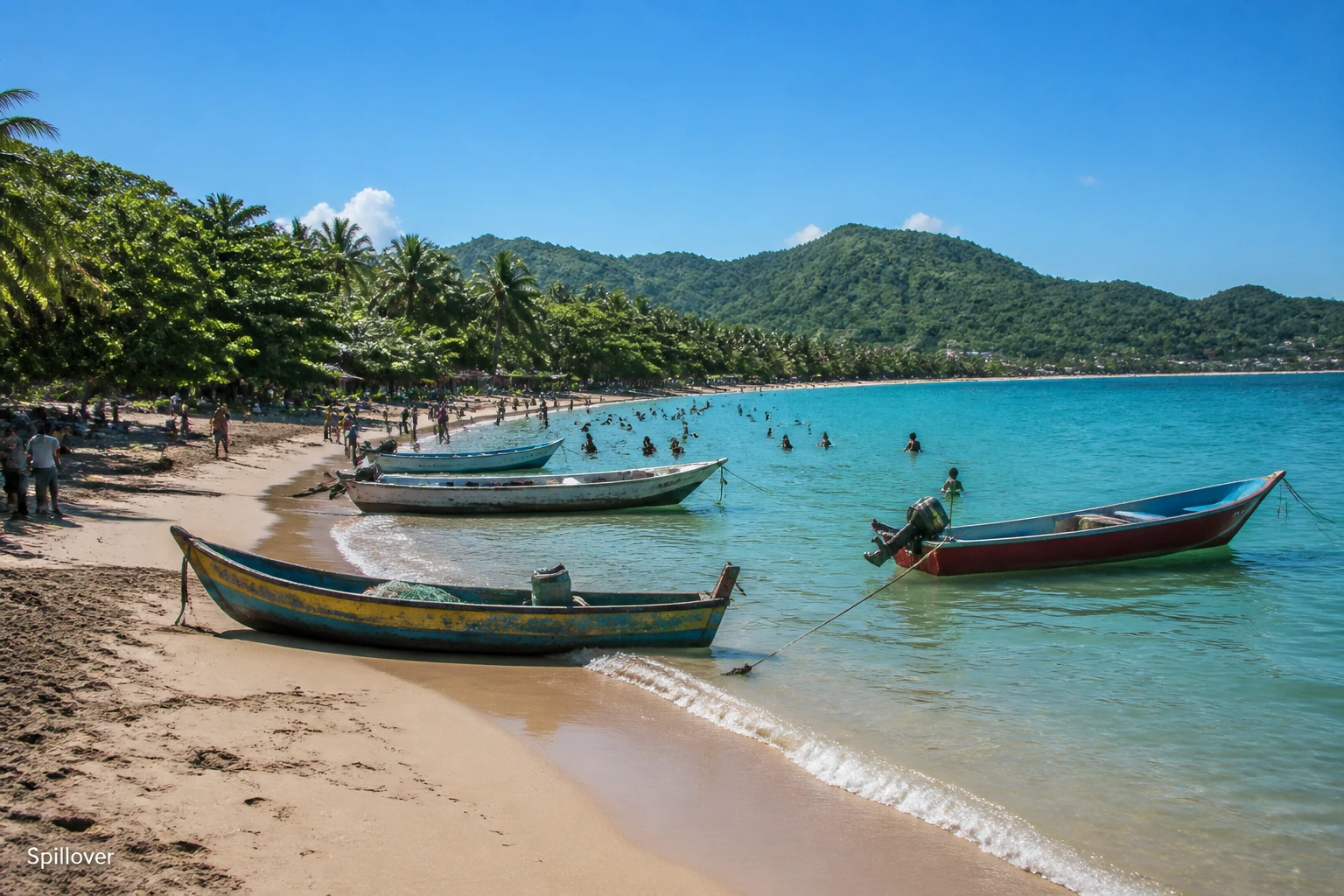
Bali's Tourism FX Dominance Signals Wider Investment Spillovers
Bali accounted for 55% of Indonesia's tourism foreign exchange in 2025, sharpening the case for Lombok as the next spillover market.
Free, twice a month. Plus the field guide.
No spam, no sales pitch. Unsubscribe anytime.