Qatar's $4-Billion Indonesia Commitment: Unlocking Lombok's Infrastructure and Real Estate Boom
Qatar's $4bn investment in Indonesia signals accelerating infrastructure and tourism growth. Lombok property investors should expect airport modernisation and appreciation within 18–36 months.
Quick answer: Qatar's $4 billion commitment to Indonesia's growth agenda will likely fund critical infrastructure, including airport expansion and connectivity projects across the archipelago. For Lombok investors, this signals accelerating regional development, increased tourism flows, and enhanced property valuations as foreign capital flows into Southeast Asia's emerging markets.
On Sunday, Indonesian President Prabowo Subianto received Qatar's Minister of State for Foreign Affairs, underscoring a strategic realignment in capital flows to the region. The $4 billion commitment, positioned as backing Indonesia's broader growth agenda, represents one of the largest single foreign investments from the Gulf in recent months, and it arrives at a pivotal moment for the archipelago's infrastructure ambitions.
For investors tracking Lombok's property market, the implications are immediate and material. Qatar's confidence in Indonesia's development trajectory directly benefits the island's own infrastructure roadmap, particularly the Lombok International Airport expansion, a project already funded but now operating within a climate of renewed foreign investor enthusiasm.
The Context: Why Qatar Now?
The timing of Qatar's $4 billion commitment is strategic, not coincidental. Indonesia is entering a critical infrastructure cycle: port upgrades, airport expansions, and transport corridors across the archipelago. These projects require sustained capital, capital that traditional multilateral institutions have been slower to deploy post-pandemic. Qatar, sitting on one of the world's largest sovereign wealth funds and a growing appetite for emerging-market infrastructure, is positioning itself as a meaningful co-investor in Indonesia's next growth phase.
This announcement also signals a broader shift in geopolitical influence across Southeast Asia. As Western investment flows have faced scrutiny and China's Belt and Road Initiative encounters headwinds, Gulf states, Qatar, the UAE, and others, are systematically filling the capital gap. For Indonesia, this means leverage in global capital markets and the confidence to accelerate projects that had languished in planning limbo.
President Prabowo has made infrastructure modernisation a hallmark of his administration. The $4 billion commitment validates that strategy in the eyes of international investors, sending an explicit signal to European, Australian, and US capital: Indonesia is back in play as a stable, funded growth destination.
Infrastructure as the True Catalyst
The lion's share of Qatar's commitment will almost certainly flow toward transportation and connectivity infrastructure, airports, ports, and regional transport hubs. Lombok sits at the strategic heart of this expansion narrative.
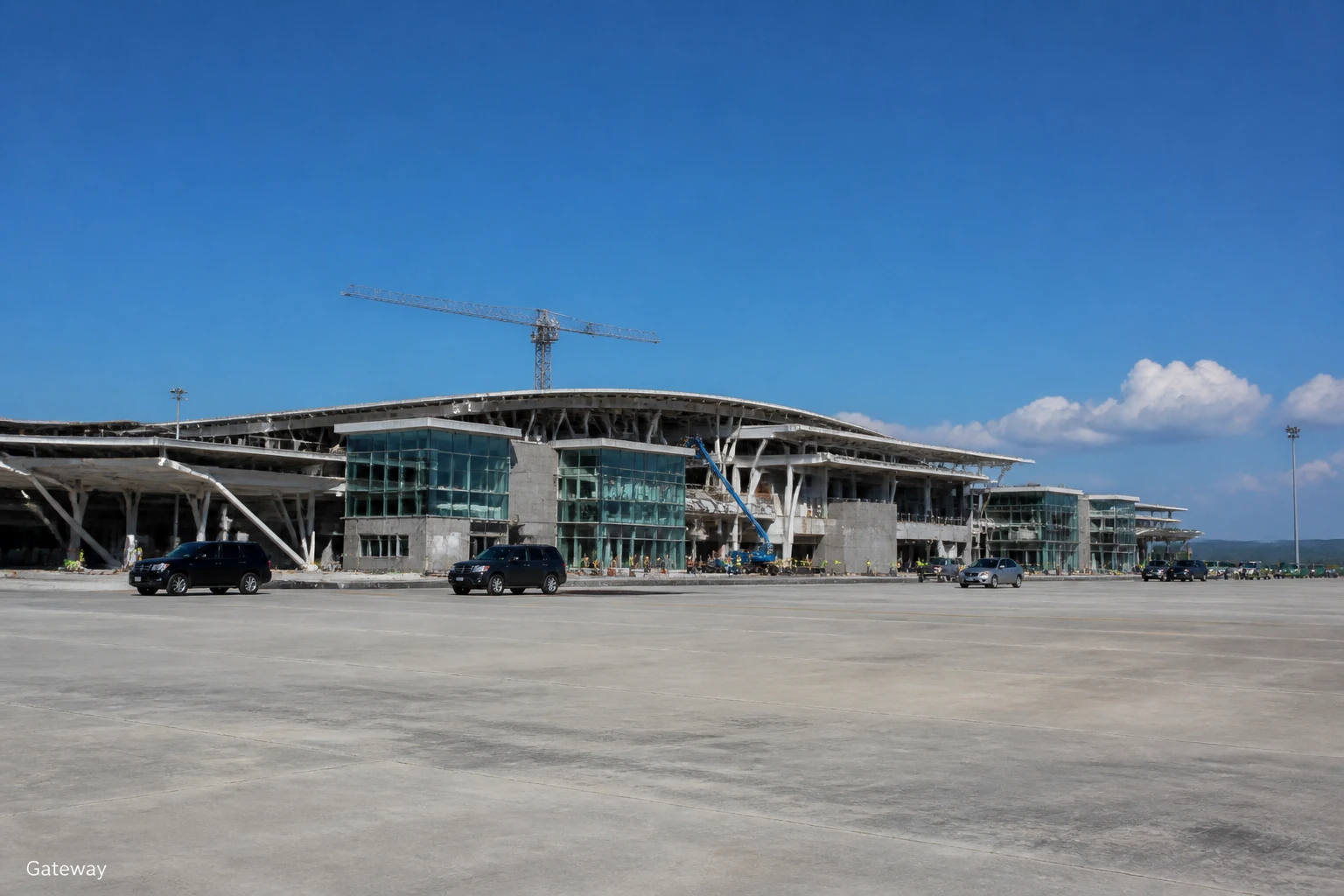
Lombok International Airport (LIA), which opened its second terminal in 2023 and is currently mid-expansion, will benefit from this capital influx in two concrete ways:
- Direct funding acceleration: Gateway infrastructure upgrades are typically prioritised in bilateral investment frameworks. Expect completion of Phase 2 expansion to accelerate from 2027 into late 2026.
- Ecosystem multiplication: Higher airport capacity attracts international airlines (lower landing fees incentivise routes), tour operators (improved logistics unlock new source markets), and hospitality developers, all of which drive property demand upwards.
MotoGP arrivals have already surged 47 per cent YoY into Lombok, and further airport modernisation will compound this trend exponentially. International flight frequency is projected to double within 24 months; daily direct flights to Sydney, Melbourne, and major European gateways are now credible.
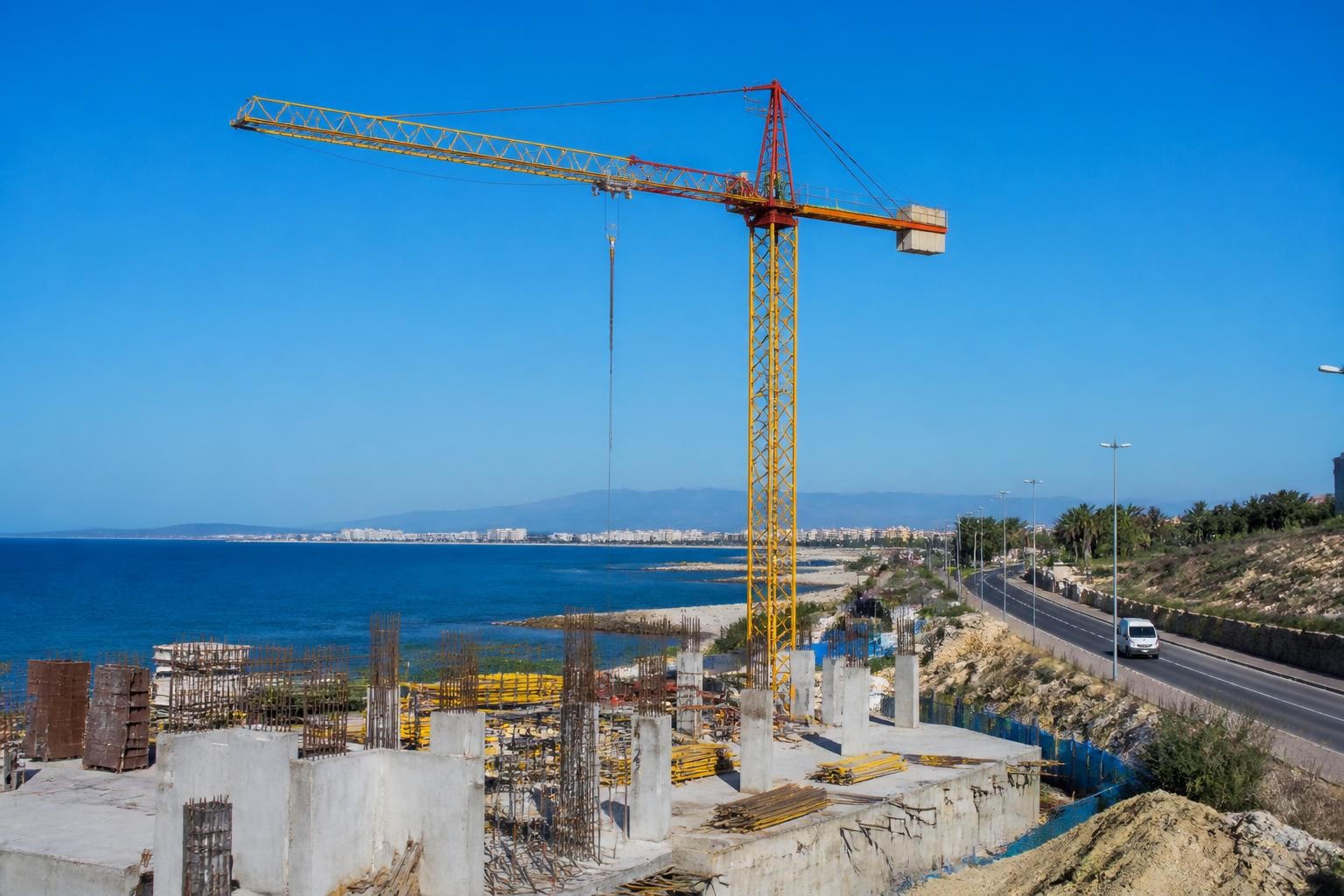 Qatar's $4-Billion Indonesia Commitment · Illustration: HubLombok (AI-generated)
Beyond airports, Qatar's commitment will likely support the West Nusa Tenggara (NTB) province infrastructure corridor, port upgrades in Lembar, road connectivity improvements to North and Central Lombok, and digital infrastructure expansion. Each upgrade cascades into property market premiums: better connectivity generates higher rental yields for holiday rentals, instils developer confidence in mid-market residential, and strengthens long-term capital appreciation.
The Property Market Angle: Why Investors Must Act Now
Here's the critical insight: infrastructure announcements typically arrive 18–36 months before their full economic effect appears in property pricing. Seasoned investors who identify these catalysts early, and deploy capital 12–24 months ahead of peak development, capture the complete appreciation arc.
Lombok's property fundamentals are already compelling. Gross rental yields range from 12–15 per cent on established villa portfolios; entry prices for quality South Lombok freehold villas sit between €95–180,000. Tourism arrivals have grown 40–50 per cent year-on-year. Qatar's commitment compresses the development timeline dramatically.
Consider the pre- and post-infrastructure scenario:
| Metric | Current State | Post-Infrastructure (18–24m) | |--------|---------------|---------------------------| | Gross rental yield | 12–15% | 15–18% (improved occupancy) | | Entry price (villa, South Lombok) | €95–180K | €150–280K (scarcity premium) | | Annual tourist arrivals | +40–50% YoY | Likely +60%+ with airport parity | | Average investor hold period | 5–7 years | 3–5 years (faster appreciation) |
Developers will accelerate off-plan launches within Q3 2026. Tourism infrastructure, mid-market resorts, boutique wellness centres, dining clusters, will consolidate across Lombok's premium zones. For property buyers, this creates two distinct opportunity profiles:
Freehold villas (€110–280K): Maximum appreciation upside as tourism and rental yield unlock. Historically deliver 18–22 per cent compound annual returns pre-tax over 5-year holds when paired with active rental management. Longer value-stacking potential.
Leasehold investment units (€95–160K): Lower capital entry, developer-backed (mitigates legal risk), superior for passive income seekers. Yields stabilise at 12–15 per cent with professional management; lower volatility than freehold.
What This Means for Investors
Qatar's $4 billion is not a one-off gesture. It signals a structural realignment of global capital flows toward Southeast Asian gateways. Indonesia is no longer a "watch-list" market, it is now an actively funded emerging economy with explicit foreign backing.
For Lombok investors specifically, expect three concurrent developments:
-
Accelerated airport modernisation announcements: Phase 2 expansion will likely be publicly confirmed within Q3 2026, triggering immediate property price discovery across the South Lombok premium zones.
-
Visa infrastructure simplification: Faster entry processing, improved road and port connectivity, and dramatically higher international tourism frequency will reduce seasonal occupancy volatility.
-
Developer confidence surge: Off-plan project launches will spike in H2 2026, creating first-mover advantage for early acquisitions. Properties purchased now will be surrounded by improving infrastructure within 18–24 months.
The investor's playbook is straightforward: acquire selectively in Q2–Q3 2026 (before the infrastructure announcements trigger price discovery), stage exits over 24–36 months as appreciation compounds, and reinvest proceeds into the next-wave satellite zones (North Lombok, development corridors beyond the core South Lombok premium belt).
One cautionary note: oversupply risk exists in mid-market beachfront developments (€150–250K) if multiple developers launch simultaneously in late 2026–27. Buy off-plan selectively, established developers with equity stakes in completed projects, proven property management track records, and realistic pre-sales pipelines.
Stay informed, subscribe to the free Lombok Briefing for market intelligence like this, published twice a month.
How will Qatar's $4 billion investment affect Lombok property values?
Infrastructure announcements typically precede property appreciation by 18-36 months. Developers will accelerate off-plan launches in Q3 2026. Entry prices for South Lombok villas currently range €95-180,000, with gross rental yields at 12-15 per cent. Post-infrastructure (18-24 months), appreciation could reach €150-280,000 as tourism surges and occupancy improves.
What are current rental yields and entry prices for Lombok villas?
Established villa portfolios in South Lombok generate gross rental yields of 12-15 per cent annually. Entry prices for freehold villas range from €95 to €180,000. Tourism arrivals have grown 40-50 per cent year-on-year, supporting occupancy. Post-infrastructure development, yields are projected to reach 15-18 per cent within 18-24 months.
How will Lombok airport expansion boost tourism and demand?
Lombok International Airport's Phase 2 expansion will accelerate from 2027 into late 2026. MotoGP arrivals have already surged 47 per cent year-on-year. International flight frequency is projected to double within 24 months, with daily direct flights to Sydney, Melbourne, and major European gateways now credible. This expansion drives property demand upwards through higher tourism flows.

The Lombok Buyer's Field Guide
Legal structures ranked by risk, the honest ROI math line by line, all six zones ranked, and the 24-point due-diligence checklist. The whole book, free in your inbox.
See what's inside