Prabowo’s crisis memory: why 2008 still matters for Indonesia’s investors
Prabowo’s call to SBY-era economic veterans signals policy continuity, not nostalgia. For investors, the lesson is simple: macro discipline still sets the tone.
President Prabowo Subianto’s decision to bring back several economic figures from the Susilo Bambang Yudhoyono era is more than a political gesture. It is a reminder that Indonesia’s most durable economic reflexes are often forged in moments of stress, not prosperity. For investors looking at Lombok, Bali overflow, and the wider Indonesian consumer story, that matters because confidence in policy continuity can be just as valuable as any single growth number.
The Context
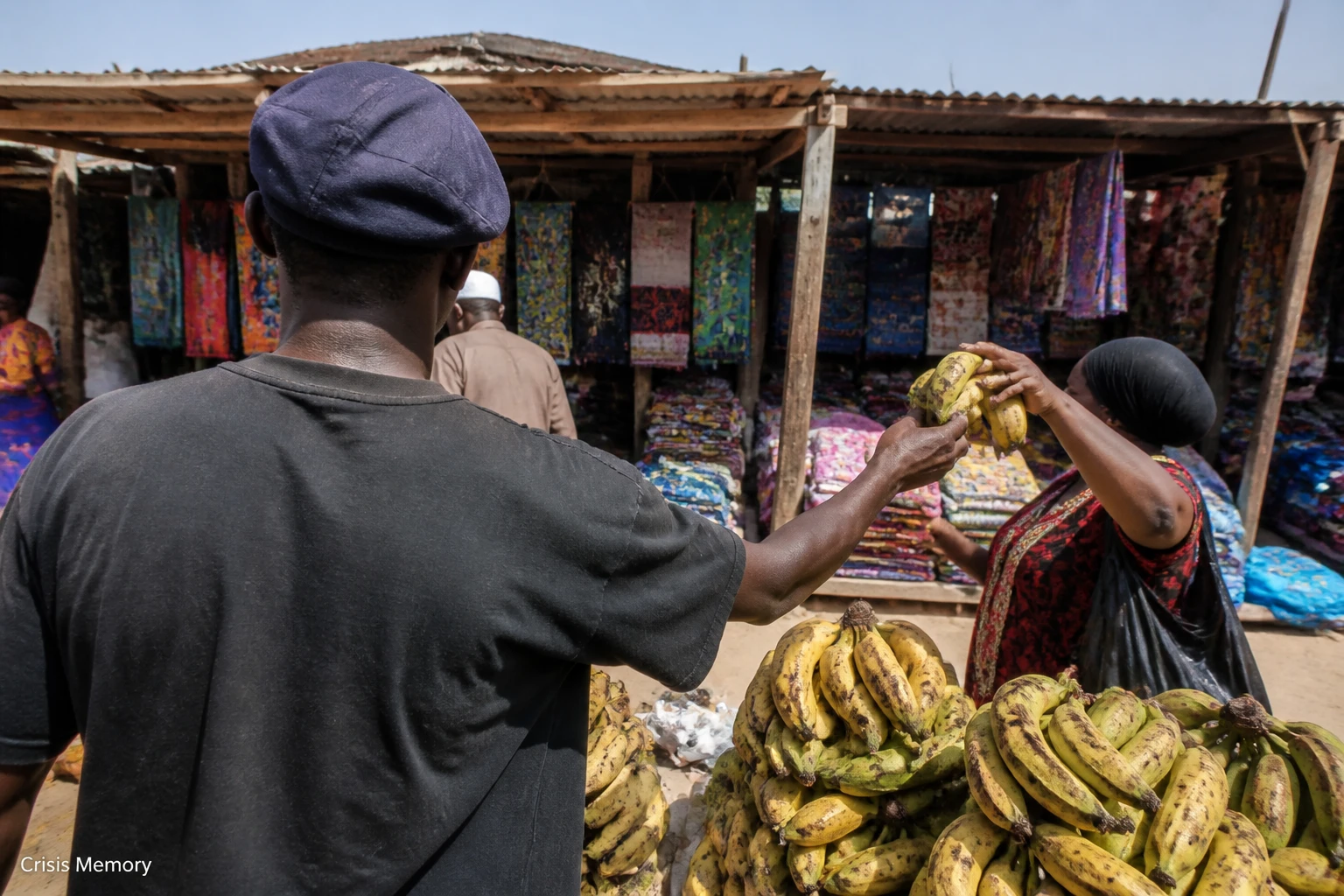
 Prabowo’s crisis memory · Photo by Tina P. on Pexels
According to Antara Business, Prabowo has been drawing on the experience of officials who navigated the 2008 global financial crisis under SBY. The symbolism is clear: in an uncertain external environment, the administration appears to be looking for the people who have already lived through a severe liquidity shock, a collapse in risk appetite, and the policy balancing act between stability and stimulus.
That instinct makes sense. In Indonesia, macro credibility tends to be built in episodes where the state has to protect growth without letting the currency, inflation, or fiscal discipline slip out of control. Investors in property, tourism, and infrastructure do not usually buy assets on the basis of a ministerial appointment. But they absolutely do respond to the quality of the policy conversation around them.
The relevance for Lombok is not abstract. The island is sitting in the path of several overlapping trends:
- a Bali-overflow thesis that keeps redirecting price-sensitive and experience-led travel demand eastwards;
- continuing tourism growth in the wider region, with reported gains of 40-50% year on year in some recent periods;
- strong investor attention around South Lombok entry points of roughly €95,000-€350,000;
- and a medium-term infrastructure backdrop that includes the 2025-26 airport expansion narrative.
A government that prioritises economic steadiness over theatrics can reinforce all four.
To understand why, it helps to remember what the 2008 crisis taught policymakers across Asia. The lesson was not simply “spend more” or “cut rates”. It was that market trust disappears quickly, capital flows reverse faster than most domestic policy cycles, and the best defence is often credible communication paired with pragmatic support.
The strongest economic policy signal is often not a new plan, but the reuse of institutions and people that markets already trust.
That is why Prabowo’s outreach matters. It suggests a preference for recognised competence, especially when global conditions remain uneven and investors prize predictability.
Policy Continuity and Crisis Memory
Indonesia is not the same economy it was in 2008, but the institutional memory still counts. Back then, the country was navigating the aftermath of the global financial crisis from a position of relative resilience compared with some peers, yet it still faced pressure on trade, capital markets, and sentiment. The SBY-era team learned how to preserve confidence without freezing the economy.
Today, the stakes look different but the logic is similar. Policymakers are balancing several goals at once:
- Keep growth broad enough to support jobs and consumption.
- Prevent inflation or currency weakness from eroding household purchasing power.
- Maintain enough fiscal credibility to keep borrowing costs manageable.
- Preserve a reputation for being investment-friendly even while pursuing domestic priorities.
That mix is particularly important for asset classes that depend on multi-year confidence cycles, such as residential tourism property and resort-led development.
What the 2008 playbook usually looks like
| Policy lesson | Why it matters now | Investor interpretation | |---|---|---| | Preserve fiscal room | Limits the chance of panic borrowing or forced austerity later | Lower sovereign-risk anxiety supports longer-duration investment | | Support confidence early | Delayed reassurance often costs more than decisive communication | Tourism and property buyers are sensitive to narrative as much as data | | Avoid policy whiplash | Reversals make project underwriting harder | Developers and lenders prefer continuity over surprises | | Protect the currency | Imported inflation can damage consumer demand | Foreign buyers and operators can price more confidently |
The important point is that this is not about nostalgia for the SBY years. It is about borrowing institutional habits that worked when conditions were far less forgiving than they are today. For investors, the practical message is that Indonesia’s leadership may be signalling a bias towards macro prudence rather than experimentation.
That matters because the island economy in Lombok is still in a phase where perception can move ahead of fundamentals. A villa buyer from Europe or Australia is not just buying square metres and a pool. They are also buying into a story about governance, infrastructure, airport access, local regulatory clarity, and future occupancy demand. If the national government gives off an impression of competence, that story gets easier to underwrite.
It also helps explain why Indonesia’s broader tourism and infrastructure narrative continues to resonate with cross-border capital. When international visitors see better airports, smoother logistics, and a more coherent policy environment, they are more likely to return. Repeated return visits are what convert a holiday market into a repeatable rental market.
For Lombok specifically, that can show up in a handful of measurable ways:
- shorter absorption periods for well-priced villas;
- steadier booking calendars through shoulder seasons;
- improved lender and developer confidence in staged projects;
- and a stronger premium for locations that sit close to beaches, surf access, or transport improvements.
The market does not need perfection. It needs sufficient policy confidence that buyers, operators, and builders are willing to keep compounding.
The Investment Reading for Lombok
This is where the national story meets the island-level opportunity. Lombok is not a generic emerging-market destination; it is a market that sits at the intersection of tourism-led demand, relative affordability, and a still-developing supply base. That combination can produce strong outcomes, but only if the macro backdrop remains constructive.
Prabowo’s use of SBY-era expertise suggests three things investors should note.
1. Policy continuity reduces the discount rate in the mind of the buyer
When buyers worry about instability, they demand a larger margin of safety. That often means:
- lower offers on off-plan property;
- more hesitation around presales;
- and a preference for well-known locations over emerging ones.
If the administration signals calm, competent stewardship, the mental discount narrows. That can benefit Lombok more than mature markets, because emerging destinations depend heavily on sentiment.
2. Tourism assets need a stable macro frame
Tourism is highly sensitive to confidence. A family deciding between Bali and Lombok is not reading central bank minutes, but it is reacting to headlines about currency stability, infrastructure, airport capacity, and administrative competence. A policy team that looks experienced can support the broader perception that travel flows will keep normalising.
For investors, that interacts with the current market backdrop:
- entry prices in South Lombok remain accessible relative to established Asian resort markets;
- reported tourism momentum has been strong;
- and infrastructure upgrades create a plausible path to more efficient visitor throughput.
3. Macro discipline supports long-horizon development stories
The most attractive resort markets are rarely the ones with the loudest short-term appreciation claims. They are the ones where the state can keep the basics working: roads, airport access, planning credibility, and a tolerable tax and regulatory environment.
That is precisely why the 2008 lesson matters. A government that remembers how fragile confidence can be is more likely to protect the conditions that allow private capital to flow into tourism property.
For Lombok investors, the relevant question is not whether Prabowo’s outreach to SBY-era officials is politically elegant. It is whether it improves the odds of a stable policy environment in which asset values can compound through occupancy, scarcity, and infrastructure uplift.
Key takeaways for investors
- National economic credibility can influence buying decisions in local property markets.
- Lombok’s value proposition depends on sustained tourism demand and accessible entry pricing.
- Infrastructure expectations, especially around the 2025-26 airport expansion, can support medium-term upside.
- A pro-stability policy posture usually favours resort markets more than speculative or thinly capitalised ones.
What This Means for Investors
For investors in Lombok, the immediate takeaway is not to overread the politics, but to read the tone. An administration that deliberately re-engages crisis-tested economic hands is likely signalling that stability, continuity, and practical management matter more than ideological drama. That is usually good news for asset classes that rely on patience.
In property terms, the implication is straightforward. Markets such as South Lombok are not being priced purely on current rental income; they are being valued on the expectation that tourism, infrastructure, and policy credibility will gradually lift the entire ecosystem. If that expectation remains intact, then today's purchase can become tomorrow's operating asset in a deepening visitor economy.
There is still risk, of course. Infrastructure timelines can slip. Tourism growth can be uneven. Global rates can stay restrictive longer than hoped. But the signal from Jakarta matters because it shapes whether investors believe the state will react sensibly when conditions tighten.
For Lombok, that is the real lesson of 2008: not the crisis itself, but the discipline it left behind. Investors who understand that nuance are better placed to distinguish between a fashionable destination and a maturing market with structural upside.
Stay informed, subscribe to the free Lombok Briefing for market intelligence like this, published twice a month.
Why does Indonesia's policy continuity matter for Lombok property investors?
Lombok villa buyers are not just purchasing square metres. They are buying into a story about governance, infrastructure, airport access, and future occupancy demand. When the national government signals macro prudence over experimentation, that story becomes easier to underwrite, supporting steadier booking calendars, shorter absorption periods, and stronger lender confidence in staged development projects.
What are the current entry price points for South Lombok investment property?
South Lombok attracts strong investor attention at entry points of roughly €95,000 to €350,000. The island benefits from the Bali-overflow thesis, which redirects price-sensitive and experience-led travel demand eastward, alongside reported tourism growth of 40 to 50 percent year on year in some recent periods and a 2025 to 2026 airport expansion backdrop.
What did Indonesia's 2008 crisis playbook teach that still applies to property investors today?
The 2008 experience showed that preserving fiscal room, supporting confidence early, avoiding policy reversals, and protecting the currency are critical in downturns. For property investors, those lessons translate directly: lower sovereign-risk anxiety supports longer-duration investment, and policy continuity makes project underwriting more predictable for both developers and lenders.

The Lombok Buyer's Field Guide
Legal structures ranked by risk, the honest ROI math line by line, all six zones ranked, and the 24-point due-diligence checklist. The whole book, free in your inbox.
See what's inside