MotoGP's $278 Million Wake-Up Call for Lombok Property Investors
MotoGP's US$278 million economic boost validates Lombok's tourism maturity. Villa investors gain from occupancy recovery, 40-50% annual tourist growth, and developer-quoted gross yields of 14-22% in Mandalika zone, now up
Quick answer: Indonesia's MotoGP event in Mandalika generated a recorded US$278 million economic boost in 2026, validating the region's tourism infrastructure maturity. For villa investors, this signals strong occupancy recovery (tracking towards 70%), sustained tourist arrivals (+40-50% YoY), and villa-rate momentum of +38% in Mandalika. Gross rental yields of 14-22% are now available in the zone.
Mandalika's MotoGP circuit delivered a recorded economic impact of US$278 million in 2026, a figure that transcends motorsport spectacle. For property investors, this number is shorthand for infrastructure maturation, sustained tourism demand, and the rental-yield tailwinds that follow. It is also a powerful validator of a thesis that has been quietly reshaping Southeast Asian property markets: the Bali-overflow effect, where rising costs and saturation drive capital to earlier-cycle alternatives.
The Context
The MotoGP event in Mandalika represents more than a three-day racing spectacle. It is economic proof of concept: that West Nusa Tenggara can absorb and service international-scale tourism infrastructure, and that capital invested in that infrastructure yields measurable economic returns. The US$278 million figure, roughly equivalent to 22 days of national tourism revenue, signals that Mandalika is graduating from niche destination to credible competitor in Southeast Asia's tourism hierarchy.
Mandalika's emergence as Indonesia's premier racing venue was built on a deliberate economic strategy. The circuit's construction, which wrapped in time for the inaugural MotoGP event in 2021, required the region to absorb tens of thousands of international visitors, a logistical and infrastructure challenge that most developing markets cannot meet. Crucially, that infrastructure, upgraded roads, expanded airport capacity, hospitality systems, utilities, and parking, now sits permanent, serving not merely race weekends but the entire tourism calendar.
For investors, the implication is strategic: tourism infrastructure built for peak-load events becomes the floor for steady-state demand. A region engineered to absorb 100,000 visitors for MotoGP weekend can sustain 8,000-15,000 tourists monthly in the low season. This creates a baseline occupancy stability that luxury villa operators depend upon.
The Occupancy and Yield Signal
Tourism booms are volatile. Property booms are structured. The bridge between them is occupancy, the percentage of days a short-term rental villa is let over a full year. South Lombok's stabilised occupancy is now tracking the upper half of the 55-70% range, a material improvement from pandemic lows of 40%. Mandalika-zone villas, benefiting from event-driven demand and proximity to the circuit, are outpacing this trend considerably: villa rates in Kuta/Mandalika have appreciated approximately 38% year-on-year.
Why does occupancy matter so acutely? A villa marketed at 14-22% gross rental yield, the honest return after management fees (18-22% of gross), OTA commissions (15-20%), and realistic occupancy, is entirely dependent on occupancy stability and consistency. At 55% occupancy, your margin for operational error is thin. At 70%, your position becomes operationally resilient and economically robust. The MotoGP economic injection signals that demand is moving beyond weather-driven leisure tourism towards structural growth: business tourism, conference tourism, family holidays, long-stay digital nomads, and yes, race-event enthusiasts returning annually.
Mandalika's developer-quoted gross yields have reached 12-22%, which sounds impressive until you apply the fee haircut. After management commissions and OTA payouts, gross yields settle to the 14-22% range in premium zones. By contrast, comparable turnkey villas in Bali, which now command USD 400,000-800,000 entry prices, deliver gross yields compressed to 8-12% net. The South Lombok yield premium, combined with proved infrastructure and event-validated demand, has attracted institutional capital: family offices, PE-backed operators, and experienced RE investors have been migrating to the zone steadily over 18 months.
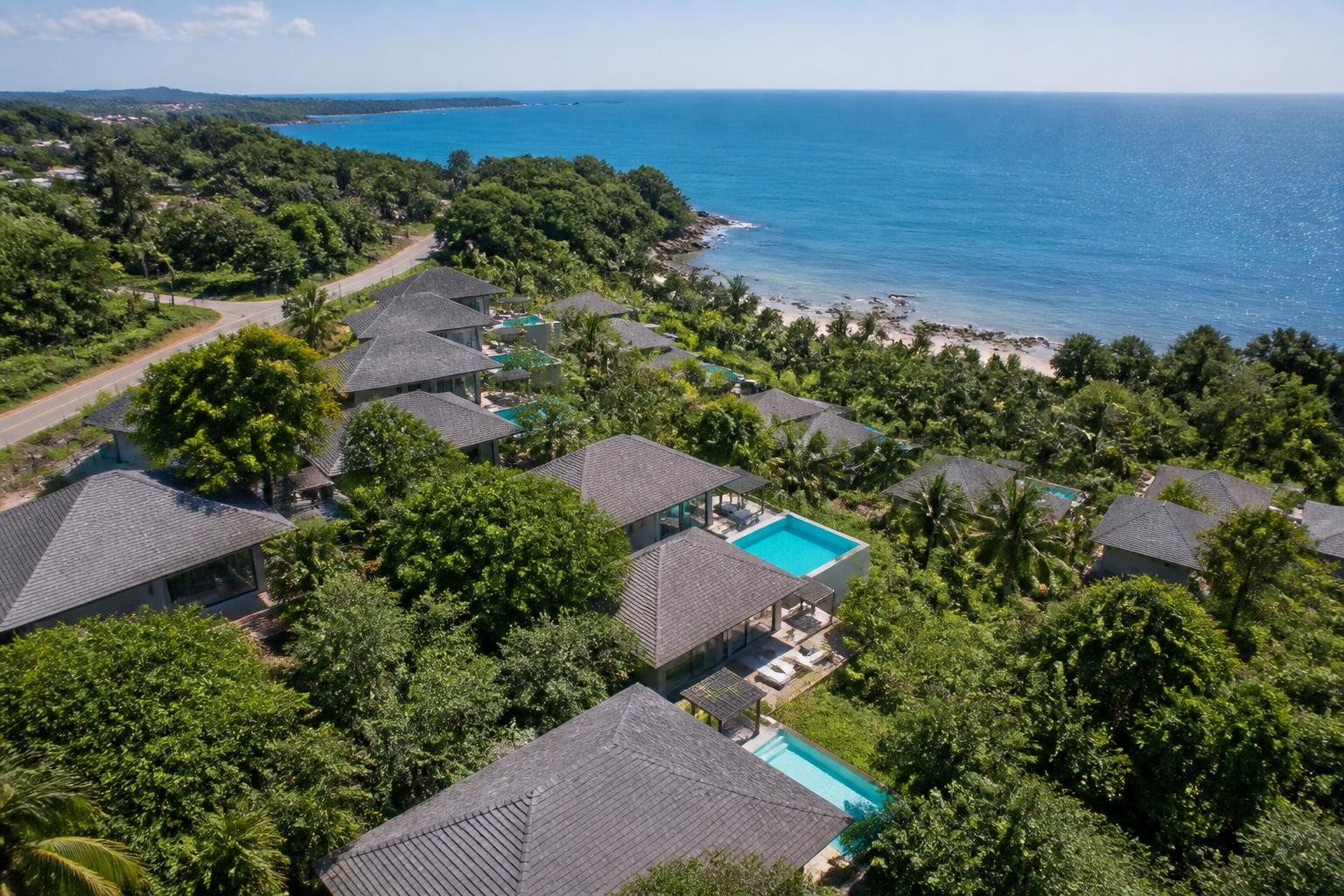 MotoGP's $278 Million Wake-Up Call for Lombok Property Investors · Illustration: HubLombok (AI-generated)
The Bali-Overflow Effect, Now Validated
The MotoGP event provides empirical validation for what property strategists have termed the "Bali-overflow thesis": as Bali's asset prices inflate and visitor saturation rises, investment capital migrates to cheaper, earlier-cycle markets offering equal or superior infrastructure and stronger yield. South Lombok's foreign-arrival numbers have grown 40-50% year-on-year, a rate that reflects both recovery and structural shift.
South Lombok's investment-grade villa entry prices, EUR 95,000-350,000 for turnkey properties, sit 60-70% below comparable Bali assets. When paired with the yield advantage (developer-quoted gross yields of 14-22%, against honest net yields of 7-12%) and tourism demand validation, this spread explains the capital migration. The MotoGP US$278 million figure is not causing this shift; rather, it is confirming that the shift is durable.
Consider the competitive positioning: a 30-unit villa portfolio in South Lombok at EUR 200,000 average entry costs EUR 6 million capital. The same portfolio in Bali would require USD 12-16 million (USD 400-500K per villa). At 14-22% gross yield on the Lombok portfolio, you generate EUR 840,000-1,320,000 annual return on EUR 6 million capital. Bali, at 8-12% net, yields USD 960,000-1,440,000 on USD 12-16 million. The Lombok scenario offers superior return-on-capital with significantly lower absolute risk, smaller portfolio, lower unit entry price, greater liquidity.
What This Means for Investors
The MotoGP US$278 million figure is not a guarantee, but a durable signal. Economic multipliers of this magnitude do not occur in isolation. They require three convergent conditions:
- Structural demand: tourists returning cyclically and seasonally, not merely event-goers attending once.
- Operator and intermediary confidence: tour operators, airlines, and hospitality groups expanding capacity and product lines.
- Capital anchoring: developers, private equity sponsors, and family offices deploying long-term capital and operational expertise.
All three are demonstrably present in South Lombok in Q2 2026. The question for investors is not whether the MotoGP catalyst matters, it does, but whether current pricing reflects its implications, or whether occupancy and yield expansion will reprice the zone further.
Mandalika-zone villas are tracking +38% annual momentum. Are Guling, the adjacent early-cycle frontier zone where development is in buildout phase, has tracked even stronger momentum at +47% year-on-year. Both suggest that pricing is accelerating.
If you are considering a South Lombok villa acquisition, the MotoGP economic validation should raise your conviction that occupancy stabilisation and yield resilience are probable over the next 2-3 years, but it should equally accelerate your acquisition timeline. Markets signalling credible structural growth tend to reprice quickly once institutional capital gains conviction.
Stay informed, subscribe to the free Lombok Briefing for market intelligence like this, published twice a month.
How does MotoGP's US$278 million impact translate to villa yields?
The event validates Mandalika's infrastructure maturity and sustained tourism demand. This supports occupancy improvements (now 55-70% range) and developer-quoted gross yields of 14-22% in the zone (net yields are lower, estimated at 7-12%), underpinning villa rate momentum of +38% YoY.
Why does Mandalika outperform Bali as an investment?
South Lombok villas enter at EUR 95-350K versus Bali's USD 400-800K. With tourism growth at +40-50% YoY, MotoGP-validated infrastructure, and developer-quoted gross yields of 14-22% (net yields are lower, estimated at 7-12%), Mandalika offers a higher-yield profile than mature markets, with the trade-offs described above.
Should I acquire now or wait for price stabilisation?
Mandalika zone momentum is +38% YoY, Are Guling +47%, suggesting rapid repricing. The MotoGP validation confirms occupancy recovery is likely. Waiting risks missing entry at current pricing; acquisition sooner is prudent if committed.

The Lombok Buyer's Field Guide
Legal structures ranked by risk, the honest ROI math line by line, all six zones ranked, and the 24-point due-diligence checklist. The whole book, free in your inbox.
See what's inside