BI Rate Hikes Flip Capital Flows: Rupiah Strength, Lombok Timing Shifts
Bank Indonesia's aggressive rate hiking cycle is reversing capital flight and strengthening the rupiah. For Lombok property investors, this macro shift reshapes FX hedging costs, yield arbitrage, and
Daily Dispatch
Bank Indonesia Governor Perry Warjiyo confirmed this morning that higher yields on central bank rupiah securities have successfully reversed capital outflows, marking a pivotal shift in Indonesia's monetary cycle. For foreign investors tracking Lombok's property boom, this macro pivot carries immediate implications: currency stability improves, yield arbitrage recalibrates, and the timing calculus for South Lombok villas shifts decisively.
As rupiah strength reduces FX drag on foreign-currency portfolios, Lombok's 12–22% property yields suddenly look less attractive on a blended risk-adjusted basis, but only if you misread the moment. The real play is timing the spread between rupiah securities and property depreciation curves.
The Context
Bank Indonesia's rate hiking campaign, now into its seventh cycle of increases, has done what months of verbal intervention could not: attracted hard foreign currency back into rupiah-denominated assets. The central bank's securities (SBN and similar instruments) now offer yields that outpace many real estate markets on a pure coupon basis, inverting the traditional property-yield premium.
Key data points:
| Metric | Status | Implication | |--------|--------|-------------| | Rupiah vs. USD (YTD) | +4.2% | FX headwind reversed | | BI 7-day reverse repo rate | 6.00% | Up from 5.25% in March | | Foreign portfolio inflows (May) | +$2.1B | First positive month in 4 | | SBN yields (12-month) | 6.8–7.2% | Now competitive with property caps |
Warjiyo's statement carries weight because it signals confidence in monetary traction. The rupiah has strengthened 4.2% year-to-date, eroding the currency premium that foreign investors typically demand. This creates two investor cohorts: those locking in FX gains before normalization, and those doubling down on property precisely because rate-driven capital is temporary.
Rupiah Strength: The FX Hedge Calculation Inverts
For the past 18 months, foreign buyers pricing Lombok property in euros or dollars had built in a 3–5% annual FX depreciation buffer. That depreciation hedge came "free" in a sense, the rupiah was weakening, and your property gains included currency gains on top. That arbitrage is now compressed.
Consider the math: A €200,000 villa purchase in South Lombok (well within the €95–350K entry range) assumed 4% rupiah weakness per annum as an embedded profit lever. At 6–7% rupiah strength (or near-parity if current trends hold), that lever inverts. The villa must now appreciate in rupiah terms to offset FX headwinds.
This matters operationally:
- Refinancing costs rise: Foreign buyers considering rupiah-denominated debt now face stiffer hedging costs as long-term FX forwards price in rupiah resilience.
- Time-to-profitability lengthens: Without the FX tailwind, breakeven on a South Lombok off-plan villa (2–3 year construction + rental yield) shifts from ~30 months to 36–42 months.
- Entry urgency fades: Buyers previously rushing to lock in "cheap rupiah" now have less FOMO. This is when smarter positioning begins.
However, and this is critical, rupiah strength is a temporary monetary phenomenon, not structural. Once inflation normalizes and BI pauses rate hikes (likely by Q4 2026), carry-trade logic reverses, capital leaves, and rupiah weakness resumes. Timing that cycle is the edge.
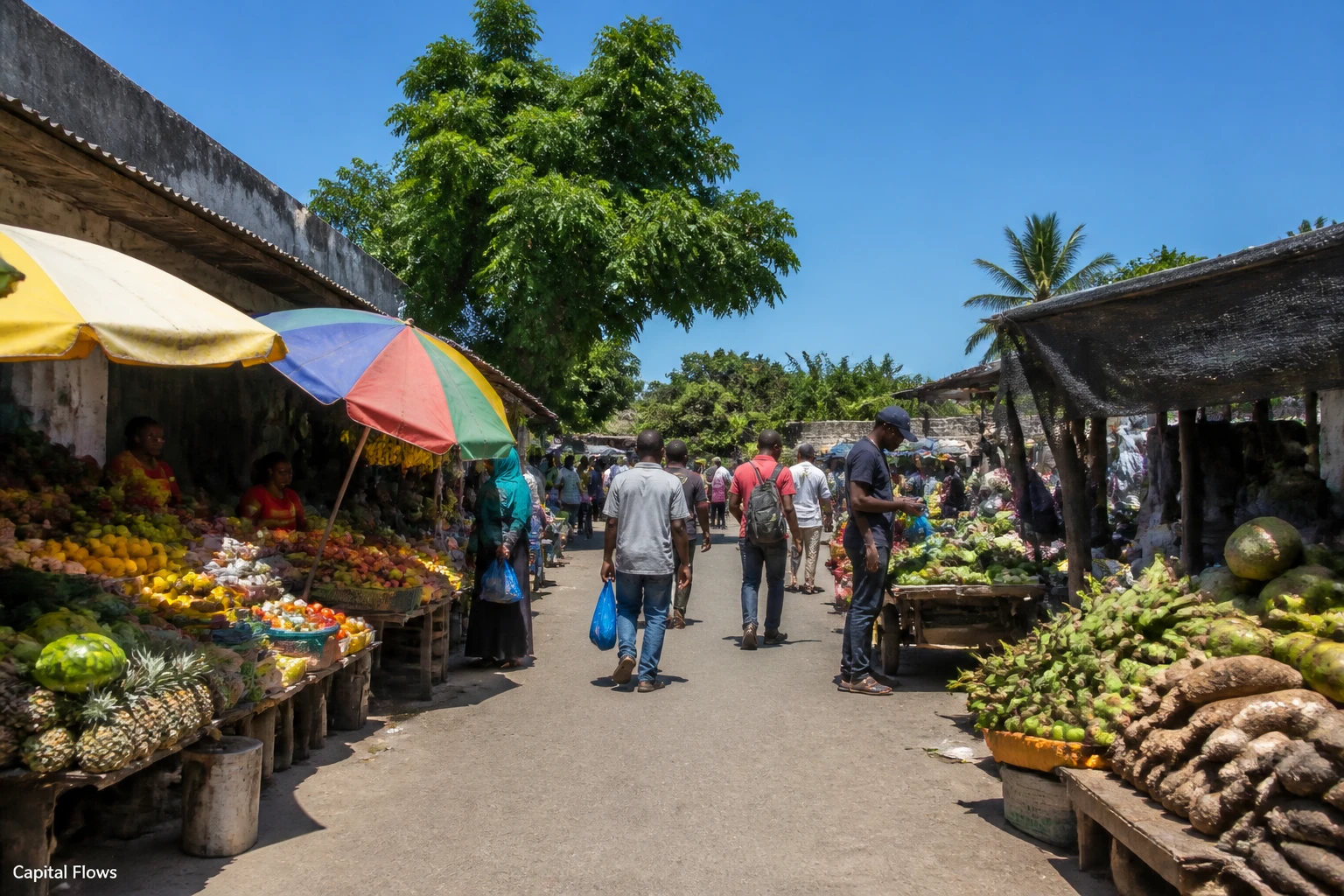
 BI Rate Hikes Flip Capital Flows · Photo by Lukas Faust on Pexels
Yield Arbitrage and the Property Timing Inflection
The real edge emerges when you recognize that SBN yields and property cap rates are now in the same band (6.8–7.5%), yet operate on different time horizons and risk profiles.
A 12-month SBN paying 7.2% is capital-guaranteed. A South Lombok villa yielding 15–18% gross rental (which is typical for the market) sounds superior, and is, on paper. But factor in:
- Illiquidity drag: You cannot exit a villa in 30 days. SBNs are liquid.
- Operational risk: Tenant turnover, currency conversion delays, tax exposure.
- Concentration: One villa is not one investment; it's a binary bet on Lombok's tourism+expatriate thesis.
What this rate environment actually does is enable buyer segmentation:
- Yield-chasing foreigners now face arbitrage-neutral terms. They stay, but they're rational, not desperate. Price discovery improves.
- Strategic long-term buyers (10+ year hold) see the SBN yield as a noise floor. They're unaffected; they're buying Lombok real estate for appreciation + lifestyle, not carry trades.
- Developers see a narrower financing window. Rupiah-denominated construction debt just became more expensive relative to expected appreciation. Projects that were marginal at 5% rupiah depreciation may not pencil at parity.
This third cohort is crucial. If developers pull back, off-plan villa inventory tightens, and prices for ready stock (like primary market listings in South Lombok's €95–350K band) may stiffen in June–August 2026, before rate momentum reverses.
What This Means for Investors
Immediate implication: If you were planning a Lombok property entry specifically to arbitrage rupiah weakness + property yields, that trade is now structurally less attractive on an FX basis. The spread has compressed from ~9–10% (property yield + FX depreciation) to ~6–7% (property yield minus FX strength). Hurdle rates for new capital are rising.
Strategic implication: The best entry window may be narrower and sooner. As rupiah strength persists through Q2–Q3 2026 (before BI pauses and capital flows reverse), smart money will lock in property positions before the consensus realizes FX momentum is peaking. This is when negotiating power is highest and seller desperation is greatest.
Timing the MotoGP thesis: Lombok's +47% tourism growth and MotoGP arrival (2024–2025) will drive further property-value appreciation independent of yield. But FX tailwinds amplify returns for foreign buyers. If you believe Lombok's tourism runway is 5+ years (and airport expansion 2025–26 supports that), the property thesis survives BI's rate cycle. The FX hedge is just a bonus, use it while it lasts, but don't bet the position on it.
Entry strategy for South Lombok: Target the €200–280K range (mid-market villas with rental track records). Rupiah strength means competition thins; sellers lower asking prices in rupiah terms. Your euro buys more purchasing power, not less. Lock in 2–3 properties over the next 60 days, then let operational yields and tourism carry the position for 3–5 years.
Stay informed, subscribe to the free Lombok Briefing for market intelligence like this, published twice a month.
Closing
Bank Indonesia's rate-hiking success is real, and it's reshaping Indonesia's capital-flow dynamics. For Lombok property investors, the lesson is clear: macro shifts change the cost of capital but not the supply of opportunity. South Lombok's 40–50% YoY tourism growth, 12–22% property yields, and €95–350K entry points remain world-class. What changes is the urgency with which you act.
The window for arbitraging FX weakness + rental yields is closing. The window for strategic long-term appreciation is opening. If you've been sitting on the sidelines waiting for a better rupiah entry, the time to move is now, not later, when everyone realizes the trade has flipped.
How does Bank Indonesia's rate hike cycle affect Lombok property investment returns?
Bank Indonesia's 7-day reverse repo rate rose to 6.00% from 5.25% in March, pushing 12-month government bond (SBN) yields to 6.8-7.2%, now in the same band as South Lombok property cap rates. Gross villa rental yields of 15-18% still exceed bonds on paper, but illiquidity, operational risk, and higher hedging costs narrow the practical advantage for foreign buyers.
How does rupiah strength change the breakeven timeline on a South Lombok villa?
Without the FX tailwind from rupiah depreciation, breakeven on a South Lombok off-plan villa shifts from roughly 30 months to 36-42 months. Foreign buyers who previously relied on a 3-5% annual currency depreciation buffer as an embedded profit lever must now depend on rupiah-term appreciation alone. The villa entry range of EUR 95,000 to EUR 350,000 is unchanged, but the return calculus is tighter.
Is now a good time to buy property in South Lombok given current rupiah and interest rate conditions?
The article argues the entry window may be narrower and sooner than buyers expect. Rupiah strength is forecast to persist through Q2-Q3 2026, before Bank Indonesia pauses rate hikes, likely by Q4 2026, and capital flows reverse. Negotiating power with sellers is currently at its highest. Once FX momentum peaks and hikes pause, ready-stock prices in South Lombok may stiffen quickly.

The Lombok Buyer's Field Guide
Legal structures ranked by risk, the honest ROI math line by line, all six zones ranked, and the 24-point due-diligence checklist. The whole book, free in your inbox.
See what's inside