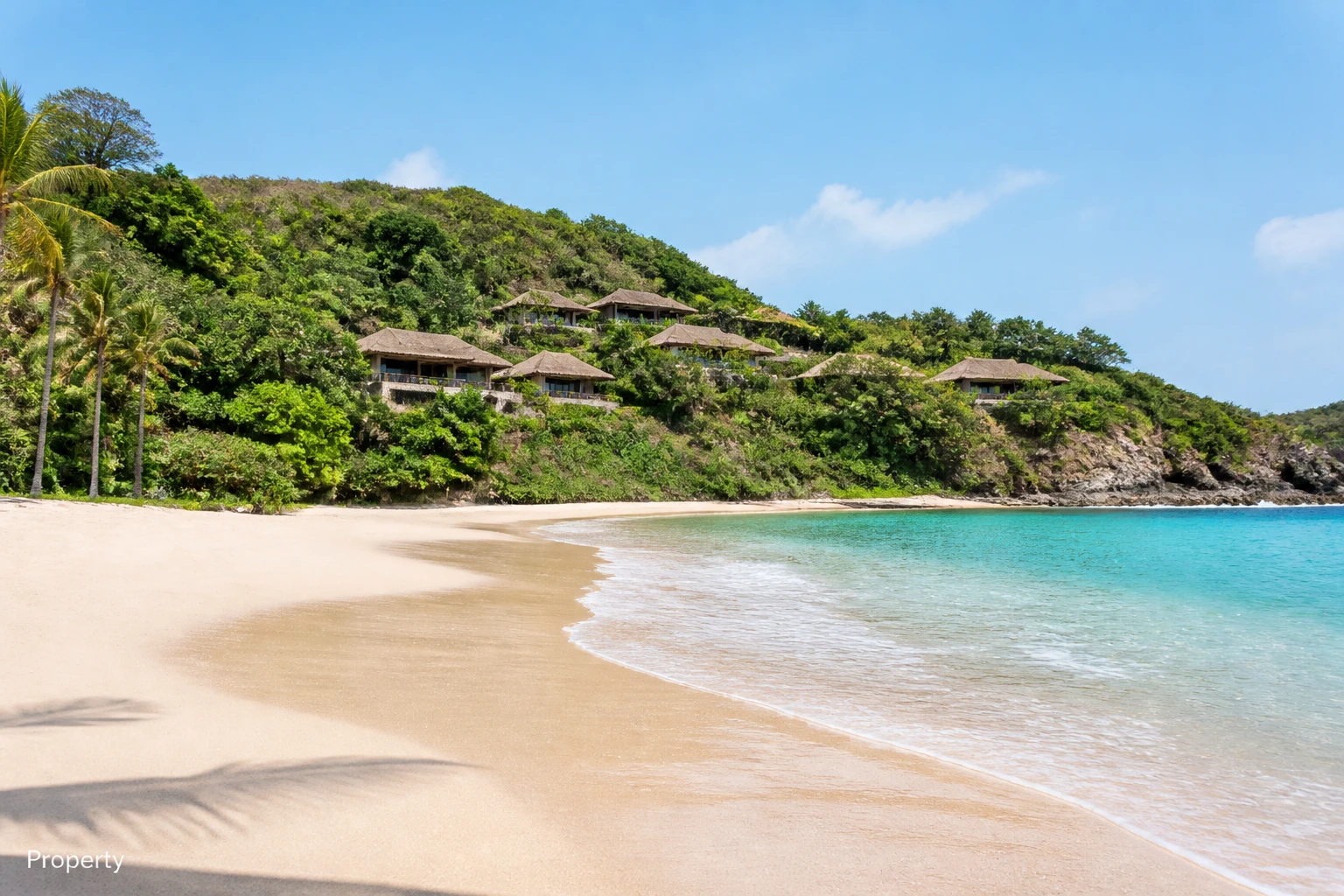
Why Seasonal Heat in Bali Is Good News for Lombok Property Investors
Heat warnings in Bali are redirecting tourism to Lombok. Foreign arrivals +40–50% YoY. How climate patterns reshape villa occupancy and yields in South Lombok's investment zones.
As Bali faces rising heatstroke warnings affecting tourist comfort and travel patterns, the island's overflow effect is directing visitor demand directly to nearby Lombok, a shift with significant implications for property investors. With foreign arrivals to the region climbing 40–50% year-on-year and Lombok's profile rising as a cooler, less congested alternative, climate-driven demand is reshaping rental occupancy, daily rates, and capital appreciation across South Lombok's investment zones.
Indonesia's Seasonal Heat: A Growing Challenge for Bali Tourism
Indonesia's equatorial climate brings intense heat and humidity throughout the year, with temperatures particularly punishing during the dry season. Bali, the region's most iconic and most crowded destination, faces an emerging challenge: heatstroke warnings and heat-related illness increasingly affect tourists, especially young children and families accustomed to more temperate climates. Local health authorities and tourism operators now routinely warn visitors about heat exposure, and complaints about discomfort during peak travel seasons are rising.
This matters economically. When tourists cut their stays short due to heat stress or avoid peak heat periods altogether, hotel occupancy rates decline, nightly rates soften, and repeat bookings, critical for luxury rental properties, evaporate. For villa investors dependent on high-season occupancy and premium daily rates, these climate-driven travel pattern shifts directly impact cash flow and yield.
The problem is compounding. Bali is saturated. Land prices have climbed to USD 200–500/m²; entry-level investment villas now command USD 400,000–800,000. Urban congestion, infrastructure strain, and environmental pressure are all reducing the island's appeal to discerning travellers, heat stress is simply the latest friction point pushing visitors elsewhere.
Lombok's Emerging Competitive Edge: Geography, Climate, and Momentum
Lombok, located 60 kilometres east of Bali across the Lombok Strait, benefits from subtle but meaningful geographic advantages. The island experiences similar equatorial temperatures but enjoys slightly cooler prevailing winds, a more dispersed landscape, and far lower population density, meaning less urban heat-island effect and less congestion-driven discomfort. For families, independent travellers, and investors seeking the "unspoiled Bali alternative," Lombok's appeal has become increasingly attractive, especially as Bali's infrastructure buckles under visitor overflow.
The momentum is unmistakable. Foreign arrivals to South Lombok and the broader region have surged 40–50% year-on-year, a recovery accelerated not only by Bali's saturation and climate stress but by active infrastructure investment (airport terminal upgrades, coastal road networks), establishment of the Mandalika Special Economic Zone, and the 2024 MotoGP World Championship, which positioned Lombok on the global sporting calendar and cemented its brand transformation from "quieter alternative" to "emerging destination."
For property investors, this convergence, climate push from Bali plus tourism pull to Lombok plus infrastructure readiness, is a tailwind. Lombok's turnkey investment-grade villas now command entry prices of EUR 95,000–350,000, a substantial discount versus Bali comparables. And critically, occupancy and yields are beginning to move.
Seasonal Occupancy and Yield Dynamics
Realistic stabilised occupancy in South Lombok runs 55–70% by year 3, with net rental yields of 7–12% after management fees and realistic accounting for vacancy, commissions, and maintenance. Developers often quote gross yields of 12–22%, but this excludes the 18–22% management fees, 15–20% OTA booking commissions, and seasonal shortfalls, all of which compress reported yield dramatically.
Bali's mature market achieves higher occupancy (70–85%) and can sustain premium nightly rates, but entry costs are 2–3× higher and saturation risk is real: once a Bali villa reaches a certain price point, repositioning to a lower segment (or selling at loss) becomes the default exit.
Lombok's climate-driven overflow from Bali is beginning to reshape these baseline dynamics. As heat warnings and congestion push more families and comfort-conscious travellers to Lombok, occupancy rates and daily rates across secondary zones are climbing faster than the island's overall 40–50% YoY tourism growth:
- Are Guling: up 47% YoY (highest momentum)
- Kuta Mandalika: up 38% YoY
- Selong Belanak: up 22% YoY
For investors, earlier momentum translates to earlier stabilisation, meaning villas reach 60–70% occupancy sooner than historical forecasts, and per-night rates normalise upward faster as demand outpaces supply.
Zone-Specific Implications
South Lombok's six primary investment zones capture different traveller segments, and climate-driven demand shifts affect each differently:
Are Guling (gross yield 17–25%, entry ~USD 150–255K, momentum +47%): Early-cycle frontier attracting first-time and experienced investors. Benefits disproportionately from mid-market overflow from Bali, families seeking turnkey convenience and value. Developments like Samudra Villas in Are Guling exemplify this segment, offering turnkey villas from around EUR 255,000; HubLombok publishes no yield figure for them.
Kuta Mandalika (gross yield 14–22%, highest entry ~USD 344K, momentum +38%): Captures event-driven demand (MotoGP, festivals) and affluent families; heat matters less here due to beachfront positioning and premium resort amenity.
Selong Belanak (gross yield 13–19%, momentum +22%): Family-tourism stronghold; climate-averse bookings in northern-hemisphere winter months (Dec–Feb) are driving accelerating occupancy.
Tanjung Aan (gross yield 15–21%, momentum +29%): Trophy beachfront with clifftop positioning; climate stress is less of a booking driver here.
Senggigi (gross yield 9–14%, momentum +6%): Mature, title-transparent zone; lacks the viral momentum of frontier areas and benefits least from heat-driven Bali overflow.
Gili Trawangan (gross yield 11–16%, highest entry ~USD 484K): Mature island resort; import costs and logistical friction suppress yield, though high occupancy offers income stability.
The Bali-Overflow Thesis Accelerating
The climate narrative reinforces a larger macro thesis already in motion: Bali is ageing out as an investment destination. Rising land prices (USD 200–500/m²), saturation, infrastructure strain, heat stress, and regulatory tightening are pushing both investors and tourists alike toward earlier-cycle alternatives. Lombok, with its 40–50% YoY arrivals growth, cooler climate narrative, and turnkey entry points below EUR 250,000, is capturing that overflow with accelerating momentum.
For property investors, the climate-driven shift is a meaningful tailwind, not the sole reason to invest, but a quantifiable macro trend reinforcing Lombok's medium-term demand outlook.
What This Means for Investors
If you're evaluating South Lombok property, climate resilience should feature in your due diligence alongside legal structure (leasehold vs. PT PMA), management expertise, and occupancy forecasts. Zones positioned to capture heat-averse family tourism and mid-market overflow from Bali offer the highest probability of reaching target yields within projected stabilisation windows.
The climate-driven tourism shift is neither dramatic nor permanent, Indonesia's heat is cyclical, but it's real, measurable, and already pricing into zone momentum. Early investors in resilient zones like Are Guling are already seeing the capital appreciation: +47% YoY momentum reflects investor confidence in exactly this thesis.
Stay informed, subscribe to the free Lombok Briefing for analysis like this, published twice a month.
Does climate really affect my villa's occupancy and yields?
Yes. Heat warnings and congestion in Bali drive families to Lombok, increasing seasonal demand. Properties in momentum zones like Are Guling (up 47% YoY) are stabilising occupancy faster, 55–70% by year 3, with net yields of 7–12%.
Should I invest in Bali or Lombok for rental yield?
Lombok offers better entry pricing (EUR 95–350K vs. Bali's USD 400–800K) and faster momentum (+40–50% YoY arrivals). Bali offers mature markets (70–85% occupancy). Lombok suits 3–5 year investors; Bali suits capital preservation.
Which Lombok zone benefits most from Bali overflow?
Early-cycle zones like Are Guling (up 47% YoY, yields 17–25%) and Kuta Mandalika (up 38%) capture mid-market overflow. Are Guling has the lowest entry prices among the main zones for turnkey properties; net yields should be treated as estimates within the 7-12% range.

The Lombok Buyer's Field Guide
Legal structures ranked by risk, the honest ROI math line by line, all six zones ranked, and the 24-point due-diligence checklist. The whole book, free in your inbox.
See what's inside